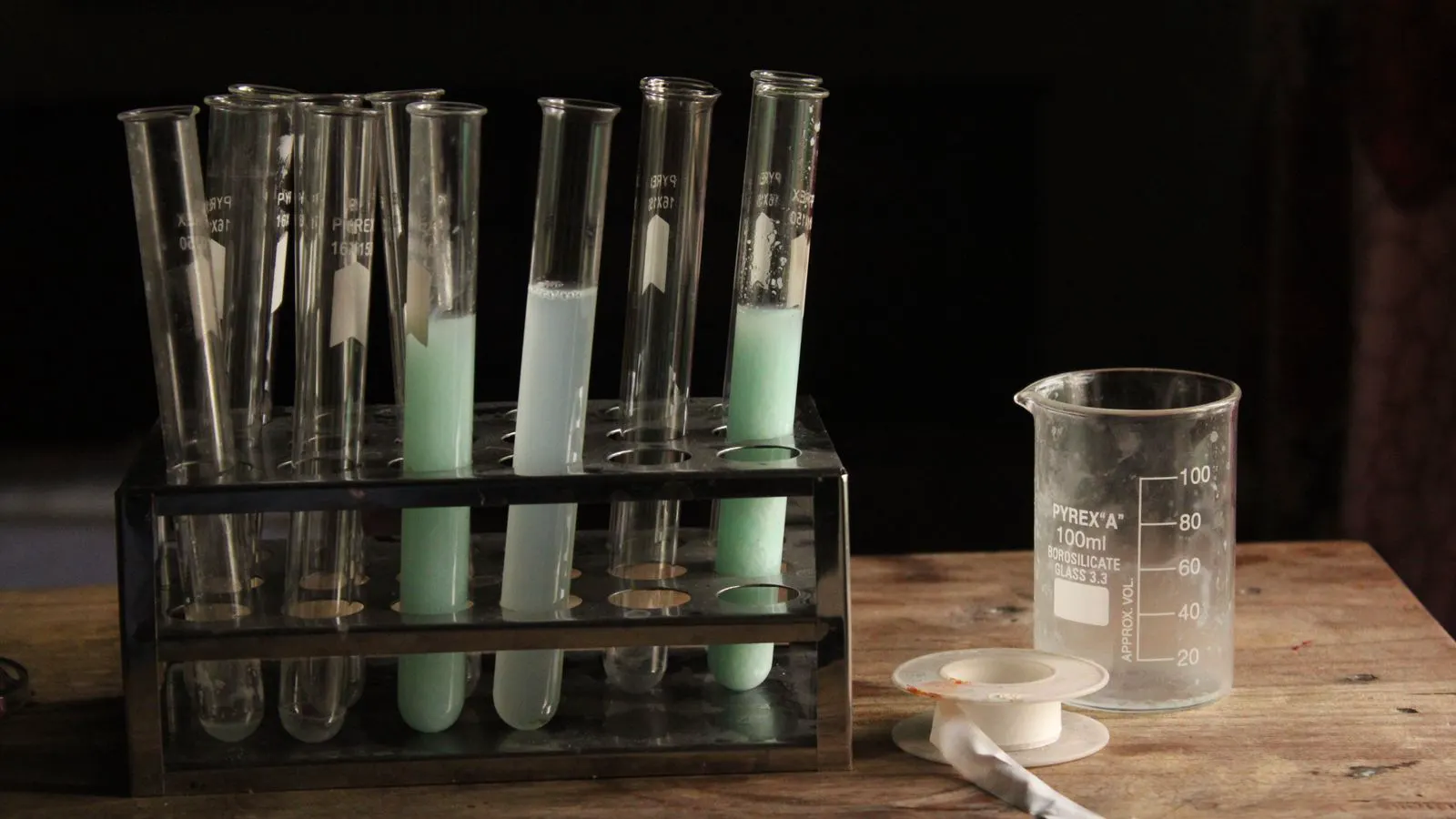
Glassware & Consumables
Troubleshooting Cracking and Breakage in Lab Glassware
Cracking and breakage in lab glassware usually trace back to thermal shock, mechanical stress, or chemical attack. Identifying the symptom helps you match the cause.
Understand material options, quality grades, and sizing for everyday laboratory glassware and consumables that support accurate results.
Cracking and breakage in lab glassware usually trace back to thermal shock, mechanical stress, or chemical attack. Identifying the symptom helps you match the cause.
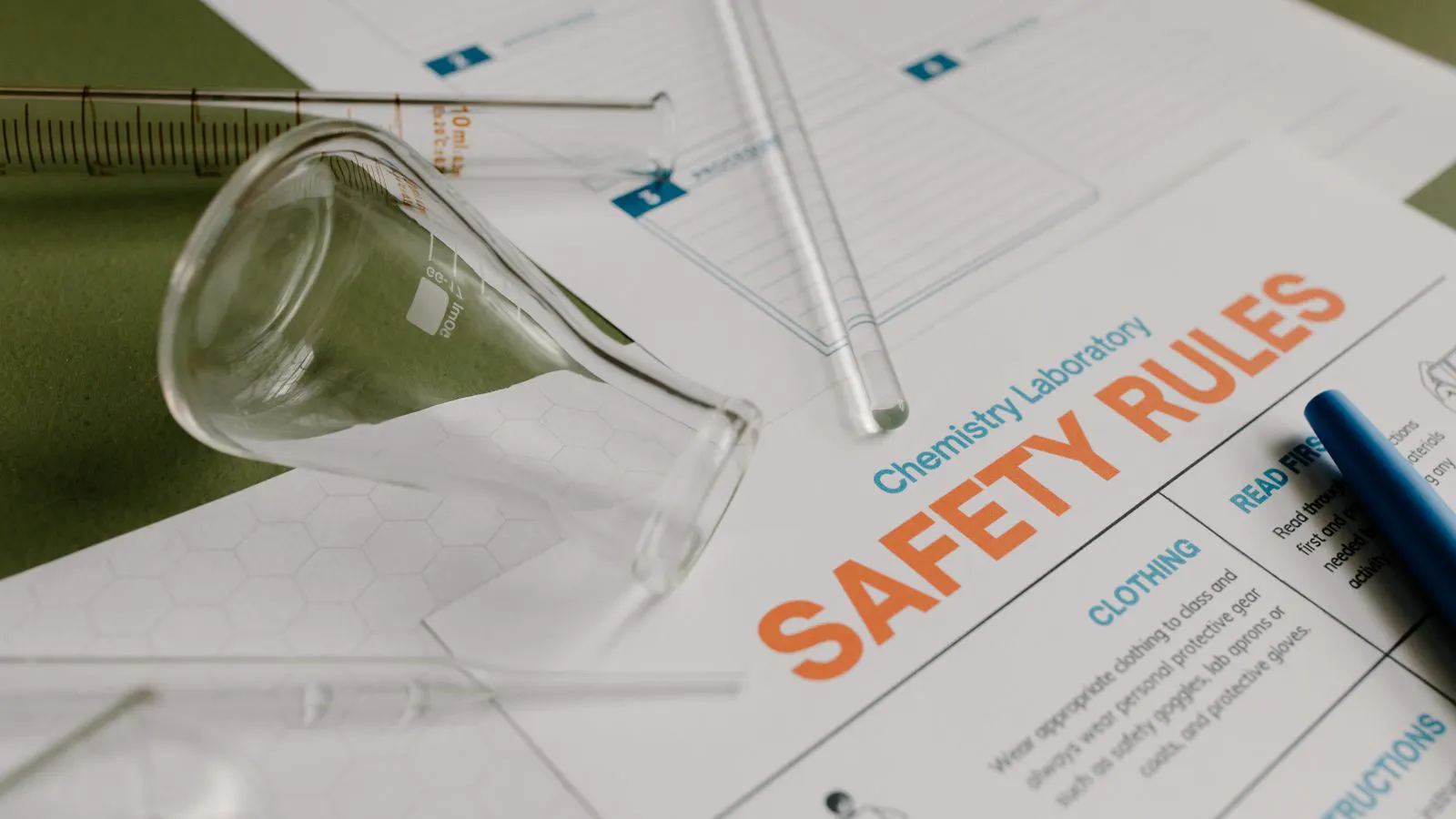
Calibrated lab glassware has verified capacity markings for precise volume work. Non-calibrated glassware lacks this certification and suits general mixing. Choosing
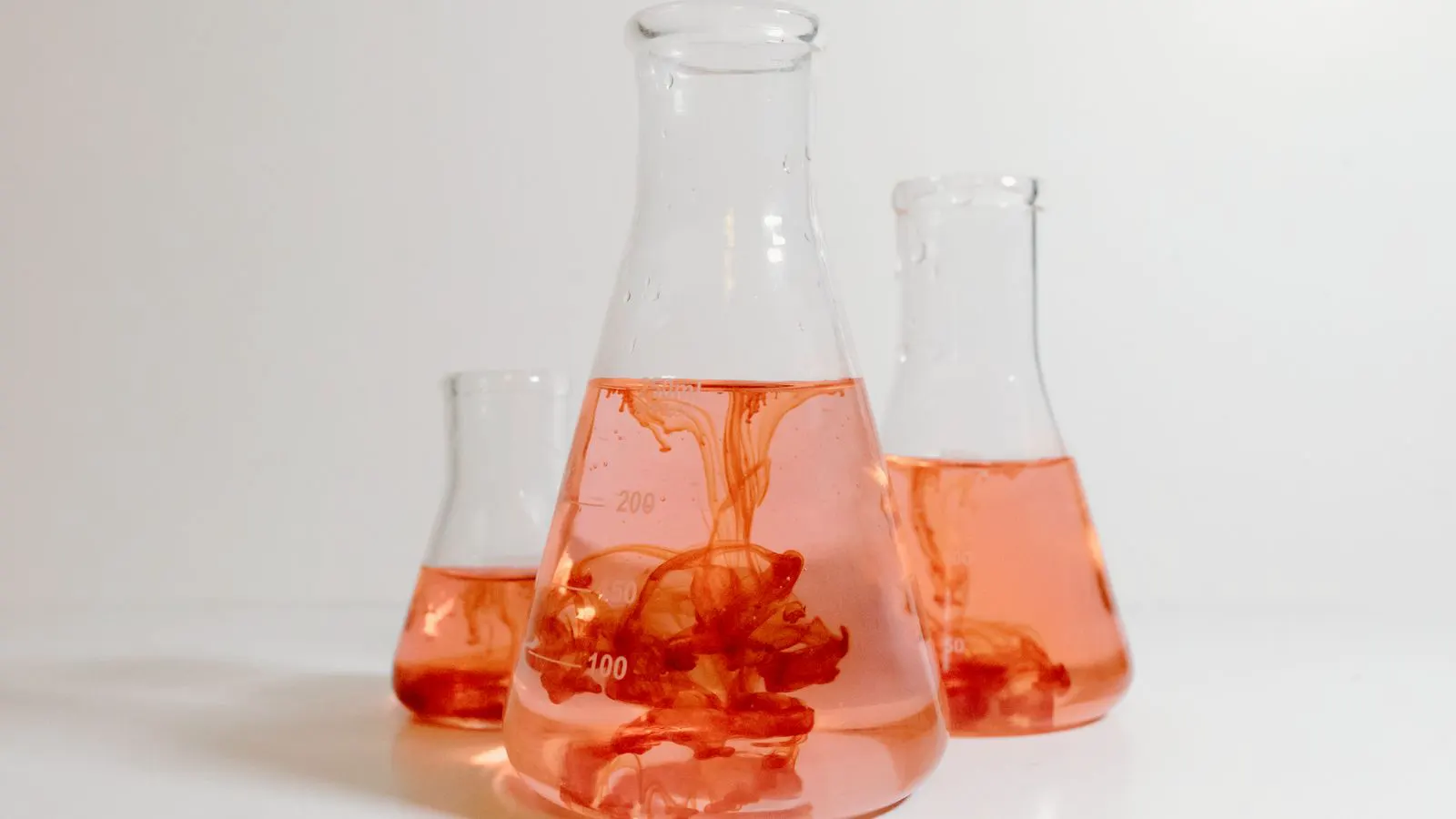
Choose borosilicate for high-temperature work and aggressive chemicals because it resists thermal shock. Pick soda-lime for low-budget tasks where heat and acid exposure
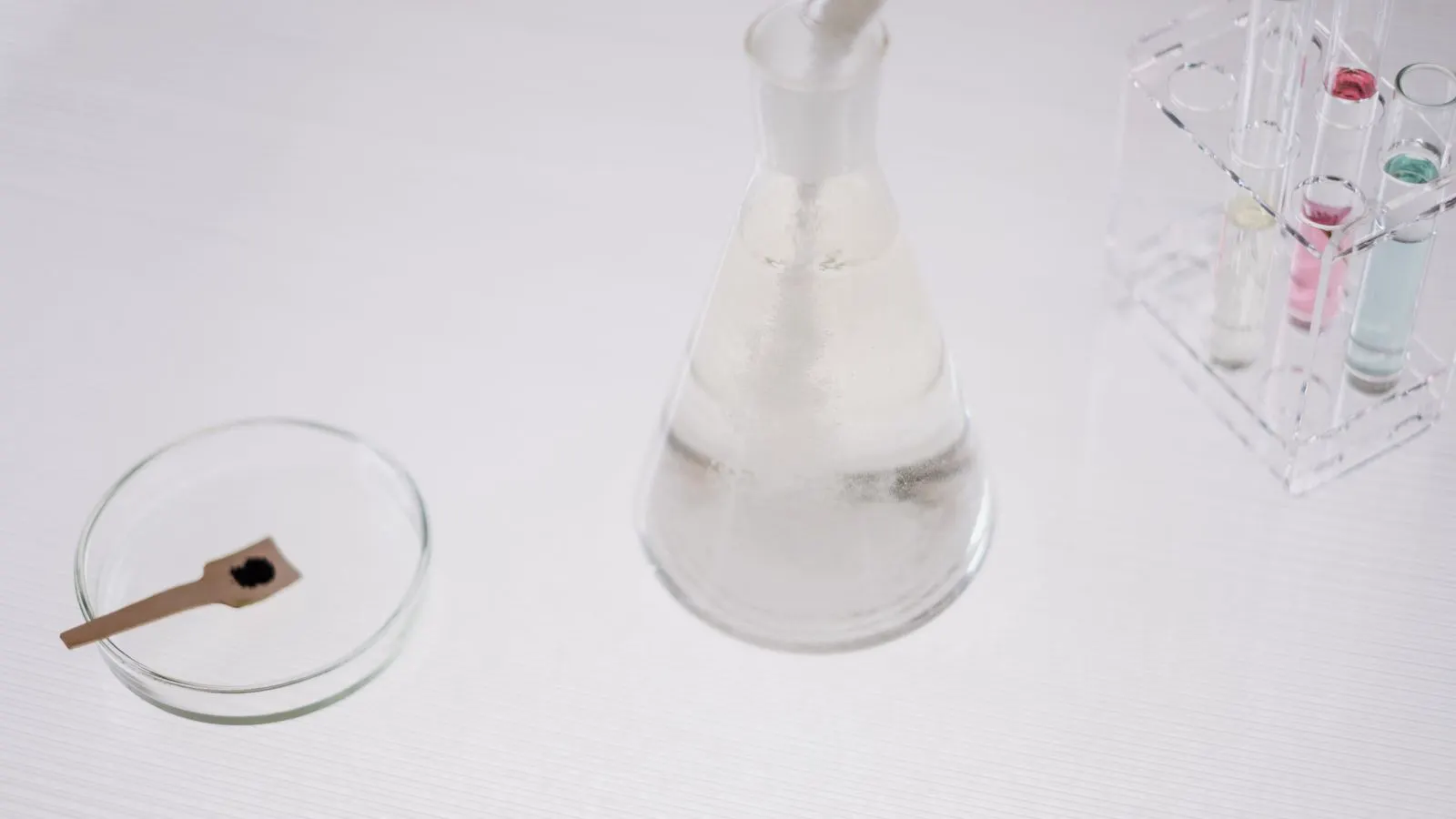
Lab glassware quality varies by material composition, manufacturing tolerance, and surface finish. Buyers should match glass type to temperature needs and check
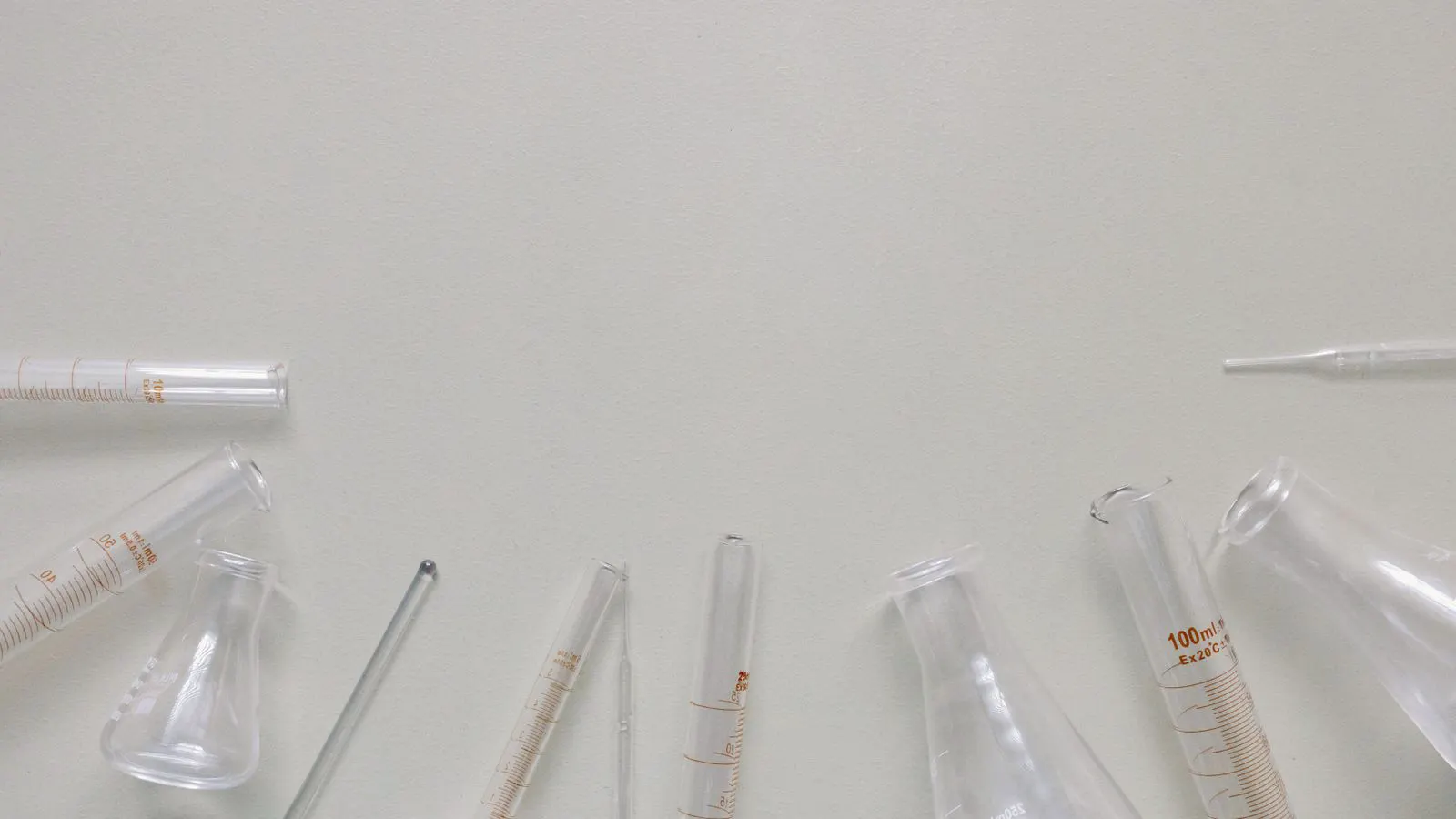
Verify volume capacity, mouth diameter, glass type, and markings before placing orders. This checklist helps buyers select correct flasks and beakers, prevents returns
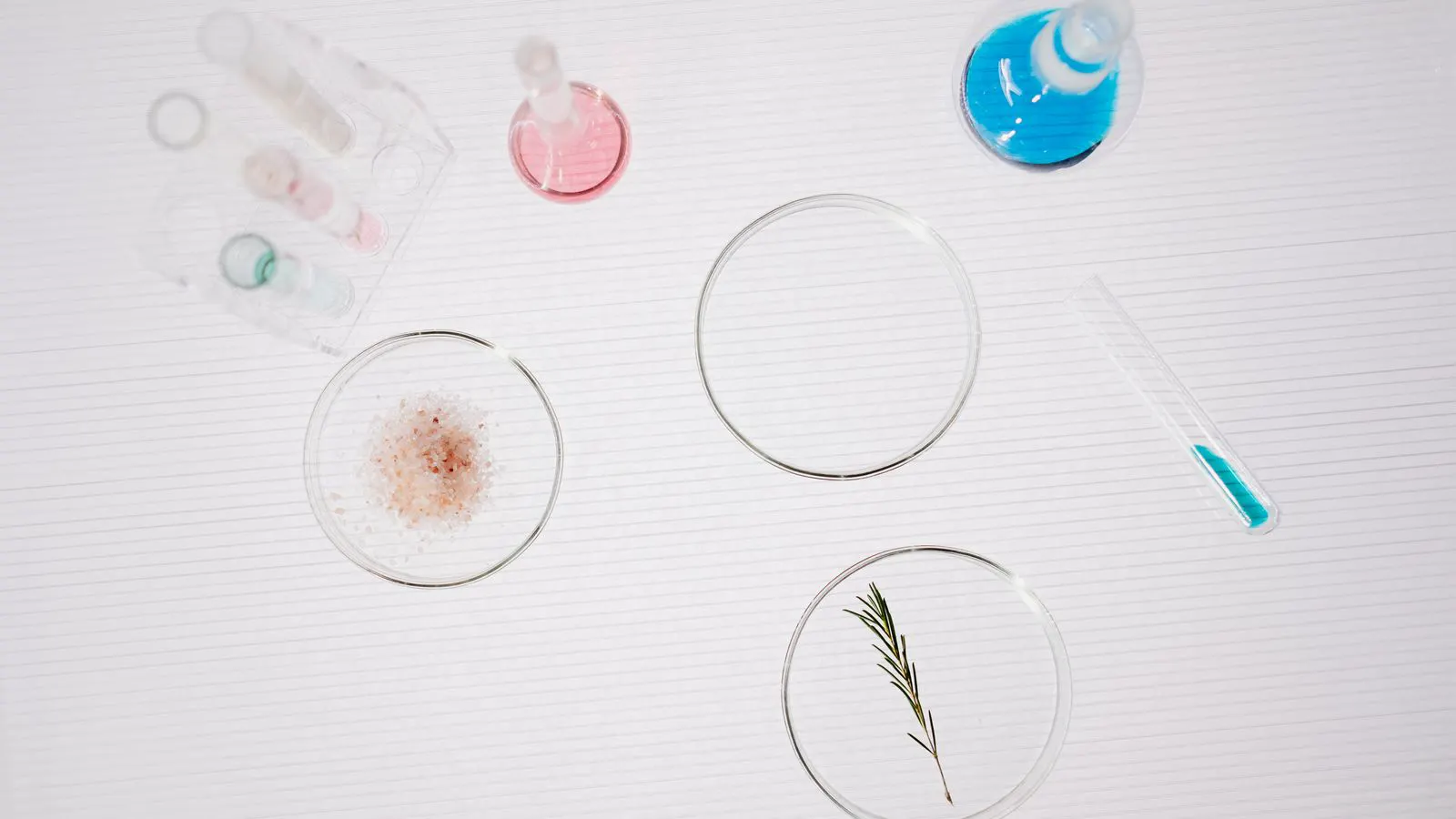
Bulk lab glassware costs vary by material, quantity, and shipping. Lead times depend on supplier stock and customization. Clear RFQs and standardized comparisons help
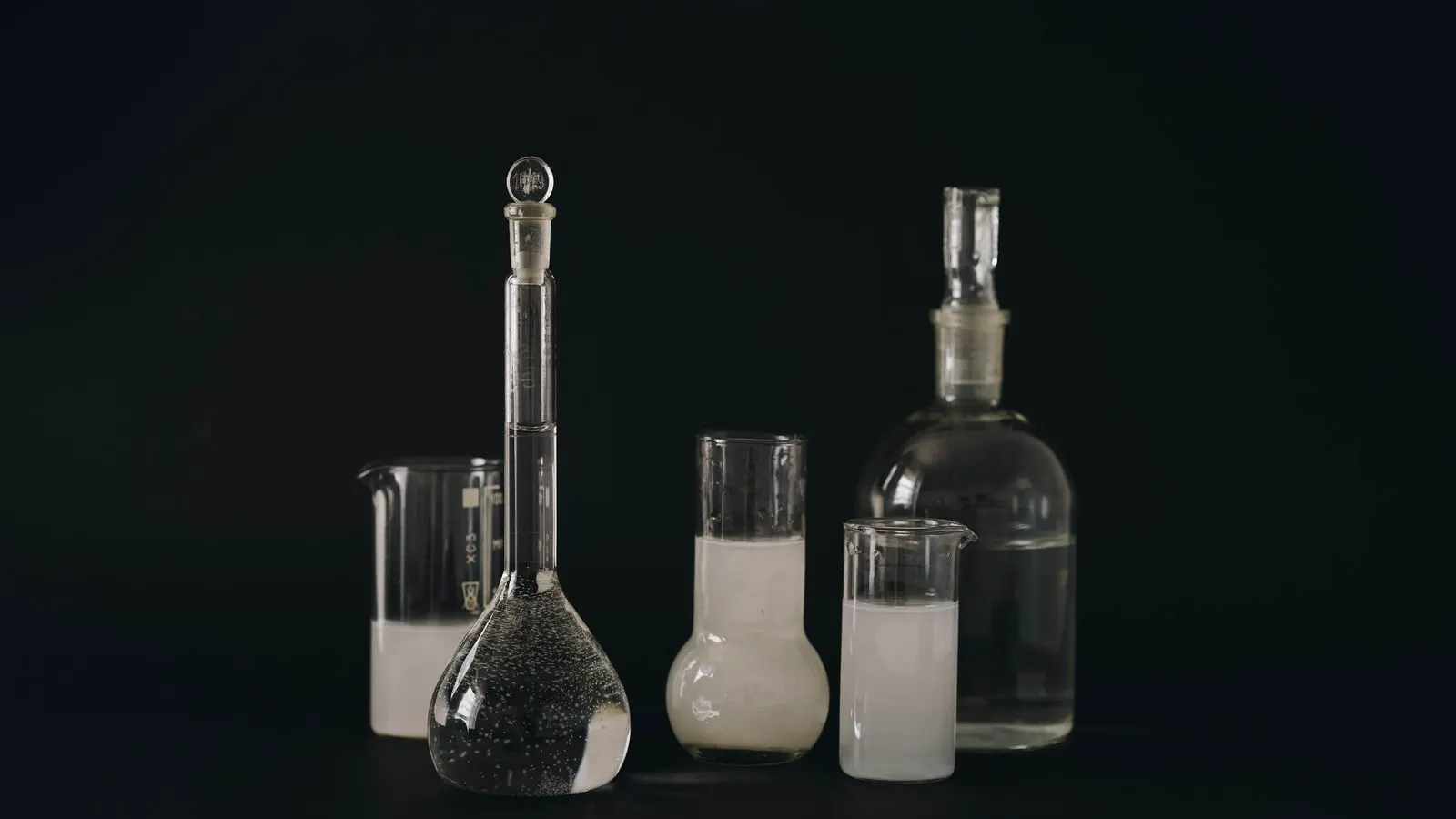
Lab consumables purchasing is changing due to sustainability mandates and supply chain volatility. Buyers must evaluate recycled packaging, standardized lab supplies
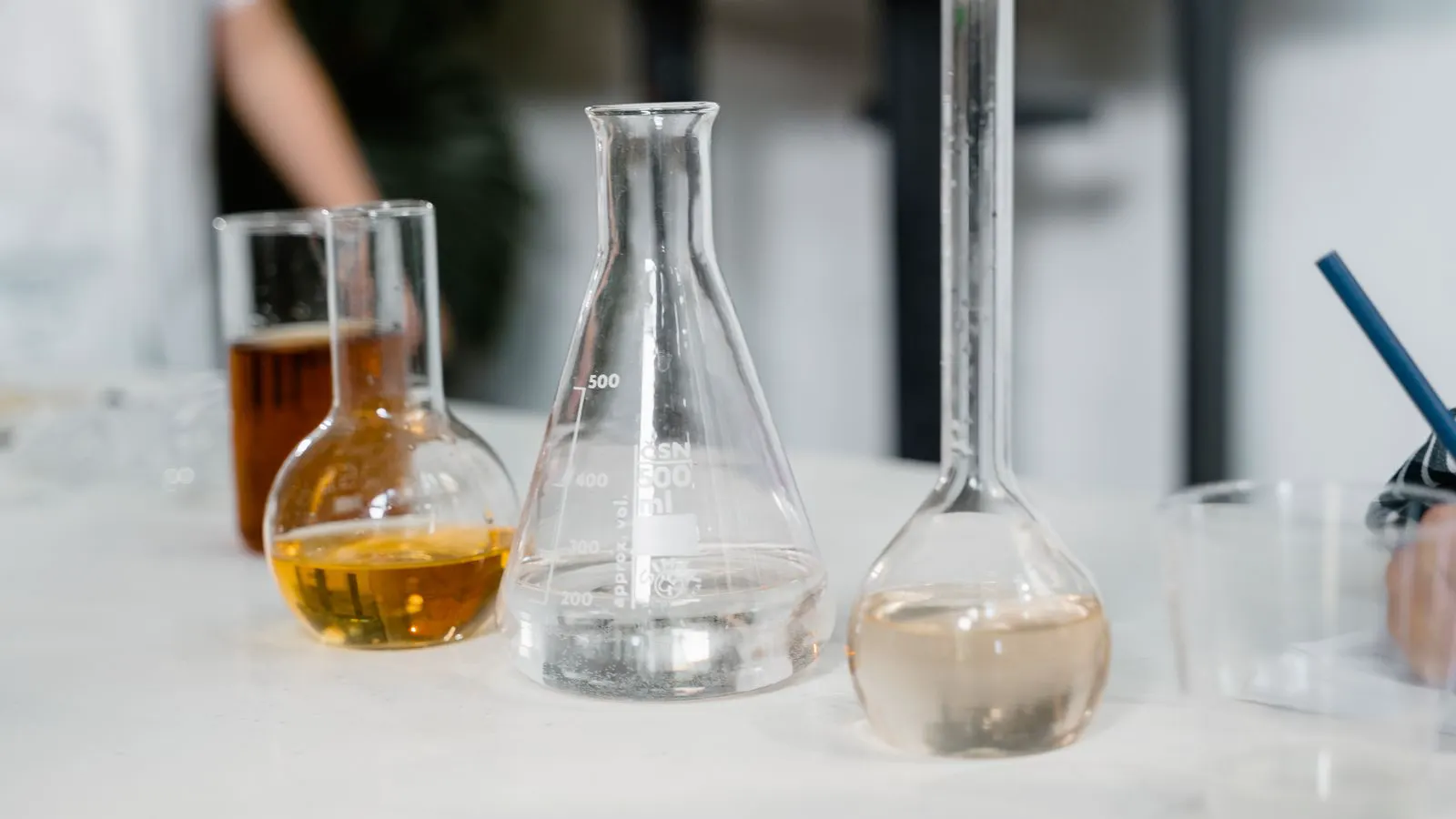
Choose borosilicate lab glassware with a high softening point, uniform wall thickness, and no surface defects. Match the vessel shape to the heating method, and verify