Lab Furniture & Fume Hoods
Future Trends in Laboratory Furniture and Fume Hood Ventilation
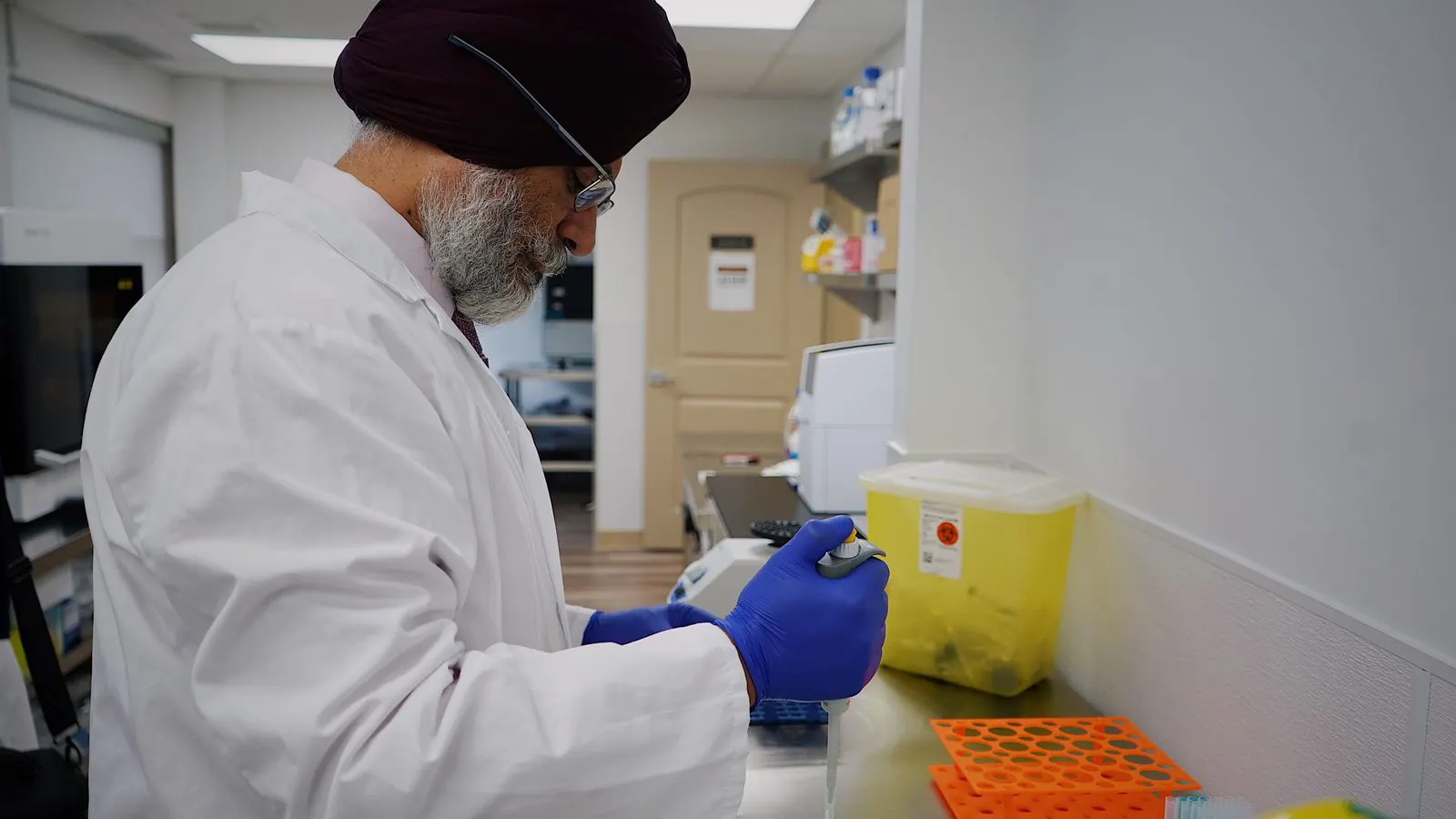
Lab furniture trends are moving toward connected systems, energy recovery, and sustainable materials. This article outlines six shifts buyers should plan for, from
Nov 23, 2026 · 9 min read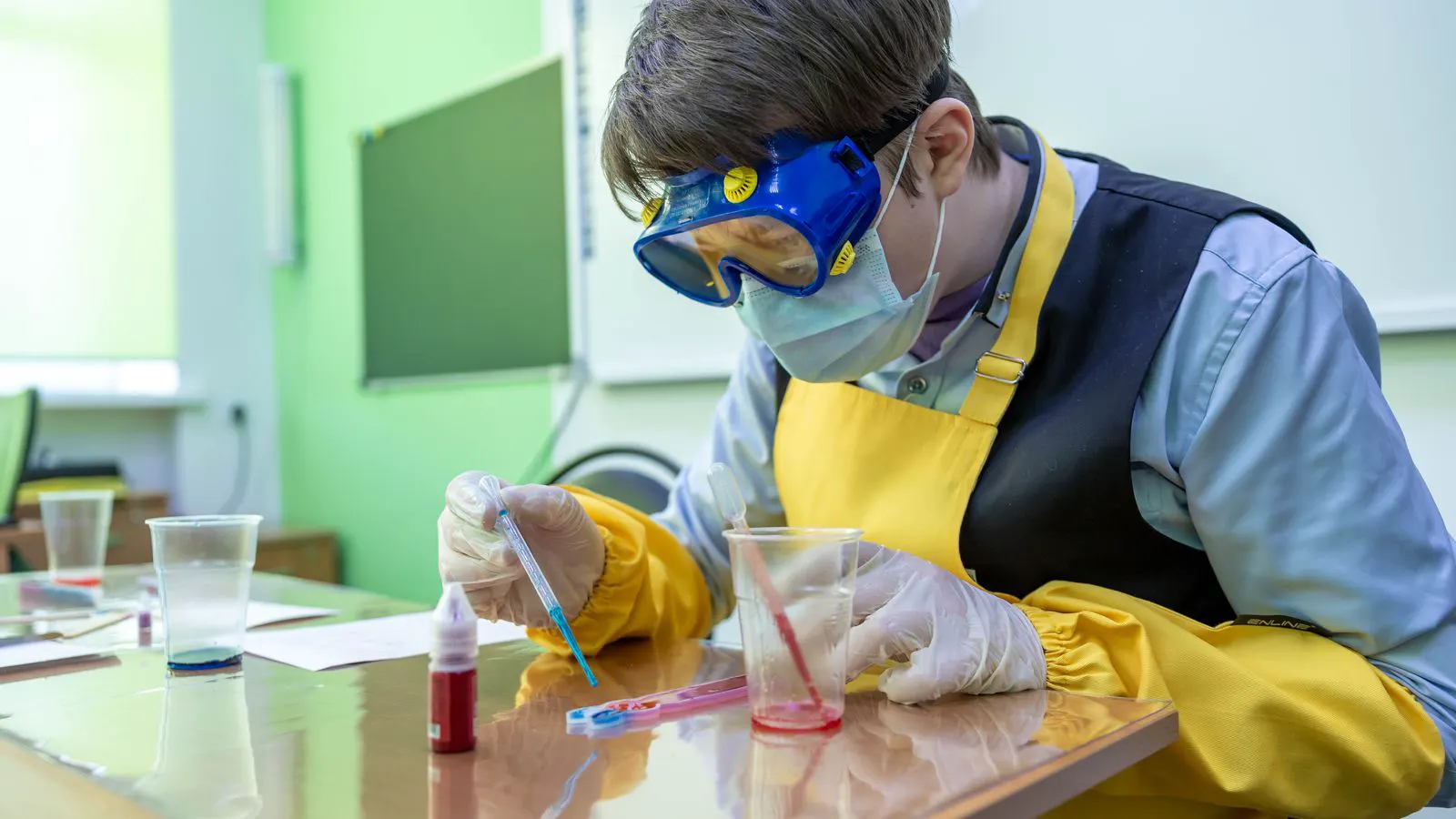
Lab Furniture & Fume Hoods
Lab Furniture Checklist: Safety, Durability, and Ergonomics
This article provides a structured audit framework to verify that new lab furniture meets operational needs. It covers bench durability, ergonomic design, and safety
Nov 21, 2026 · 10 min read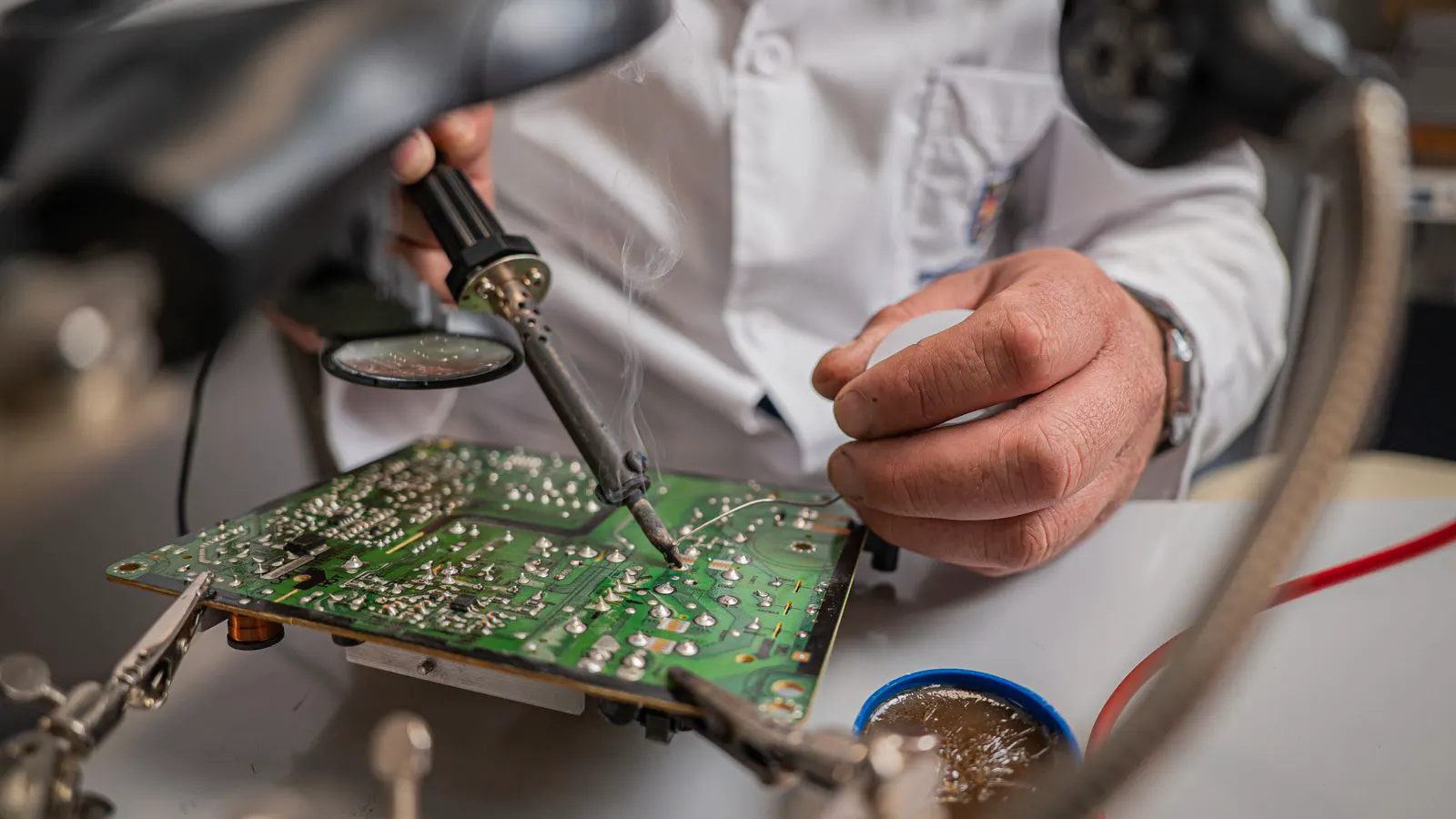
Lab Furniture & Fume Hoods
Troubleshooting Low Airflow in Existing Fume Hoods
Low airflow in fume hoods usually stems from blocked filters, worn gaskets, or duct obstructions. This guide lists specific symptoms, likely causes, and practical fixes
Nov 19, 2026 · 13 min read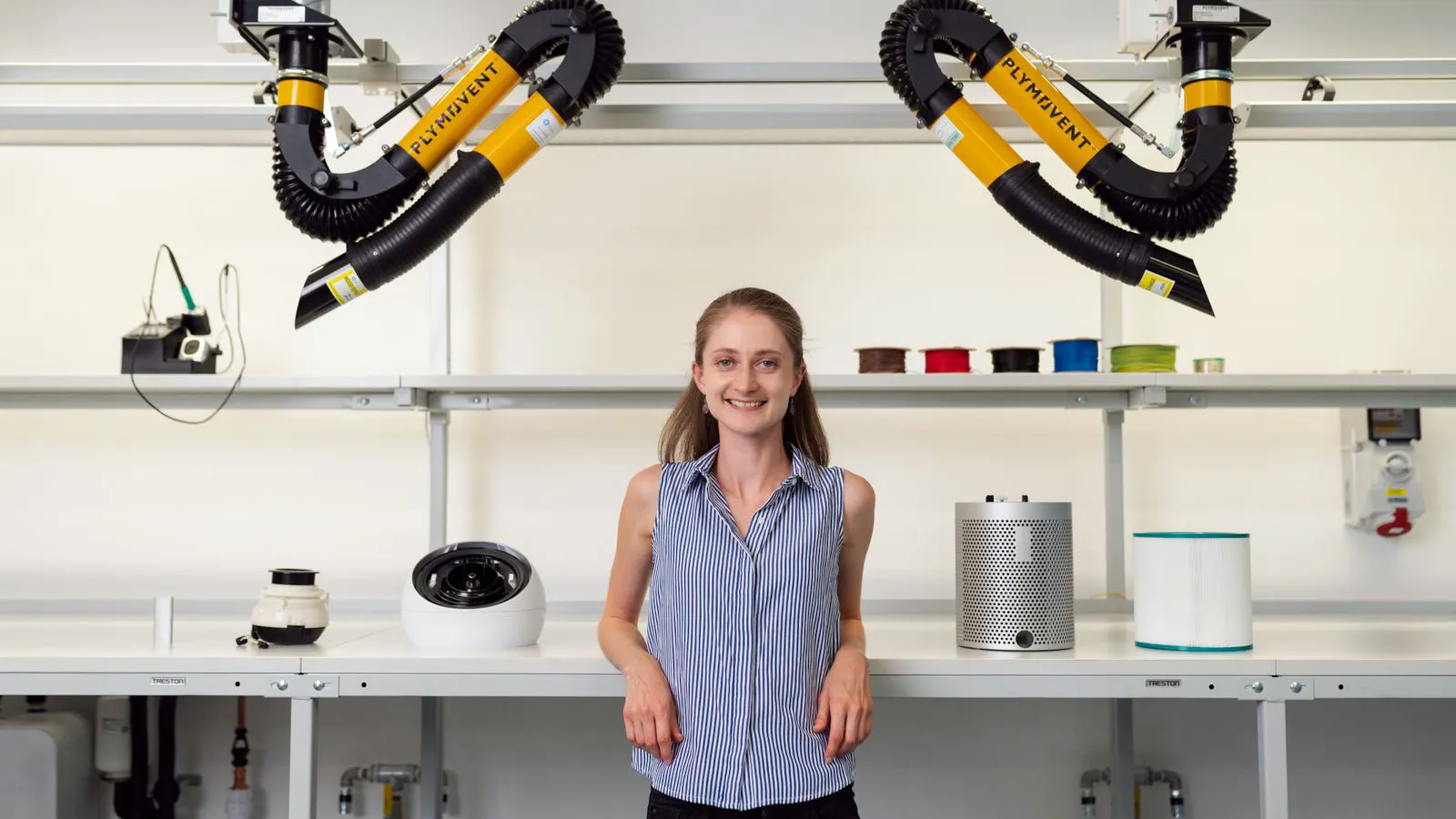
Lab Furniture & Fume Hoods
Fume Hoods for Importers: Global Standards and Sourcing
Importers face varying fume hood standards across regions. This guide compares key regulatory benchmarks, performance metrics, and sourcing strategies to help buyers
Nov 5, 2026 · 12 min read
Lab Furniture & Fume Hoods
How to Configure Lab Benches for Chemical Processing and Storage
A proper lab bench configuration balances chemical processing zones, secure storage, and workflow paths. By separating wet, dry, and hazardous areas, you reduce
Oct 22, 2026 · 7 min read
Lab Furniture & Fume Hoods
What Is a Fume Hood and How Does It Protect Lab Personnel?
A fume hood uses local exhaust ventilation to capture vapors at the source before they reach the breathing zone. It combines face velocity, sash height, and airflow
Oct 8, 2026 · 7 min read
Lab Furniture & Fume Hoods
Fume Hood Installation: Cost, Lead Time, and Space Planning
Fume hood installation cost depends on unit size, material, ductwork, and lab fit-out scope. Procurement timelines vary by complexity. A clear RFQ and standardized
Oct 8, 2026 · 7 min read
Lab Furniture & Fume Hoods
Fume Hood vs. Lab Bench: Which Safety Zone Fits Your Workflow?
A fume hood is needed for tasks with hazardous vapors or aerosols, while a lab bench serves general dry work. Evaluate containment requirements, workflow layout, and
Oct 8, 2026 · 15 min read