Explainer: Calibrated vs Non-Calibrated Lab Glassware
Calibrated lab glassware has verified capacity markings for precise volume work. Non-calibrated glassware lacks this certification and suits general mixing. Choosing between them affects accuracy, cost, and procurement workflows for different lab tasks.
- Calibrated glassware carries a stated tolerance and often a certificate of calibration.
- Non-calibrated glassware is for rough volume work and general mixing tasks.
- Sourcing decisions depend on how much measurement error your process can tolerate.
- Track calibration dates and certificates to maintain traceability in regulated environments.
- Match glassware type to task: volumetric glassware for dispensing, beakers for mixing.
What Makes Glassware Calibrated
Calibrated lab glassware has been manufactured and tested so that the printed volume marks correspond to a known tolerance. A 50 mL volumetric flask, for example, is made with a narrow neck and a specific fill line. The manufacturer verifies that this line holds 50 mL within a stated margin, often printed on the item or listed in a certificate.
The marking itself is not a claim of perfection. It is a statement of what the item does, under defined conditions. Temperature matters here. Most volumetric glassware is calibrated to a standard temperature, commonly 20 degrees Celsius. If the liquid inside is warmer or cooler, the volume shifts. This is why calibration certificates usually specify the temperature and the tolerance, such as plus or minus a certain number of milliliters.
Calibration is also a process, not just a label. A supplier may test a batch of flasks, record the results, and attach a certificate. A lab may later verify a flask against a standard, such as a calibrated mass method or a reference instrument. The second check is optional but common in high-compliance settings.
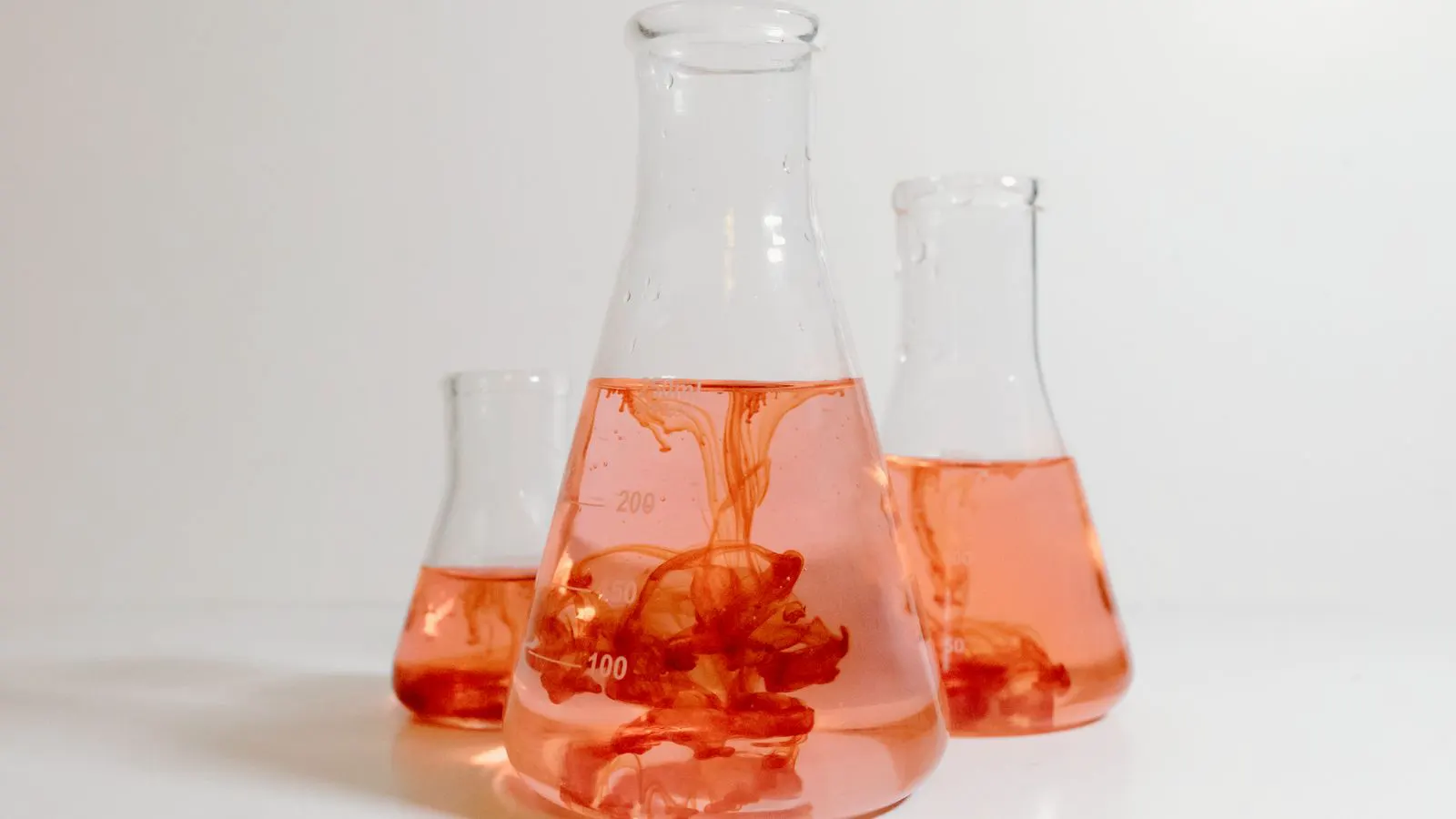
Non-calibrated glassware does not carry this level of assurance. A beaker or a mixing cylinder may have printed numbers, but those numbers are guides for the user, not a certified measurement. The glass is shaped for general use, and the tolerance is wider.
How Accuracy Affects Your Work
The accuracy of your glassware sets the floor for the accuracy of your result. If you are preparing a stock solution and your volumetric flask is off by a few percent, that error propagates into every subsequent dilution. If you are mixing a resin or cleaning a bench, a small volume error rarely changes the outcome.
This distinction shapes how you choose tools. For titration, calibration is expected because the endpoint depends on precise reagent volumes. For a qualitative test where you add a few drops of indicator, a graduated cylinder without a certificate is usually enough. The cost difference between a certified flask and an uncertified one is often small in isolation, but it grows when you buy in bulk.
There is also a practical side. Calibrated glassware often has clearer markings and better surface finish. The fill line on a volumetric flask is designed to be read from eye level to avoid parallax error. Non-calibrated beakers have markings that are more widely spaced and easier to see from a distance. That readability helps when a technician is working quickly.
Calibrated vs Non-Calibrated: A Side-by-Side View
The table below shows how the two categories differ in practice. This is a general comparison, not a rule for every situation.
| Feature | Calibrated Glassware | Non-Calibrated Glassware |
|---|---|---|
| Volume markings | Certified to a stated tolerance | Approximate, for general reference |
| Typical items | Volumetric flasks, graduated cylinders, pipettes | Beakers, mixing cylinders, Erlenmeyer flasks |
| Temperature reference | Usually specified, often 20 C | Rarely specified |
| Documentation | Certificate of calibration or batch record | Usually none |
| Main use | Measuring and dispensing precise volumes | Mixing, heating, rough volume estimates |
| Cost trend | Higher, especially in bulk | Lower, wide price spread |
| Maintenance | Track calibration dates and re-verify | Inspect for cracks and wear |
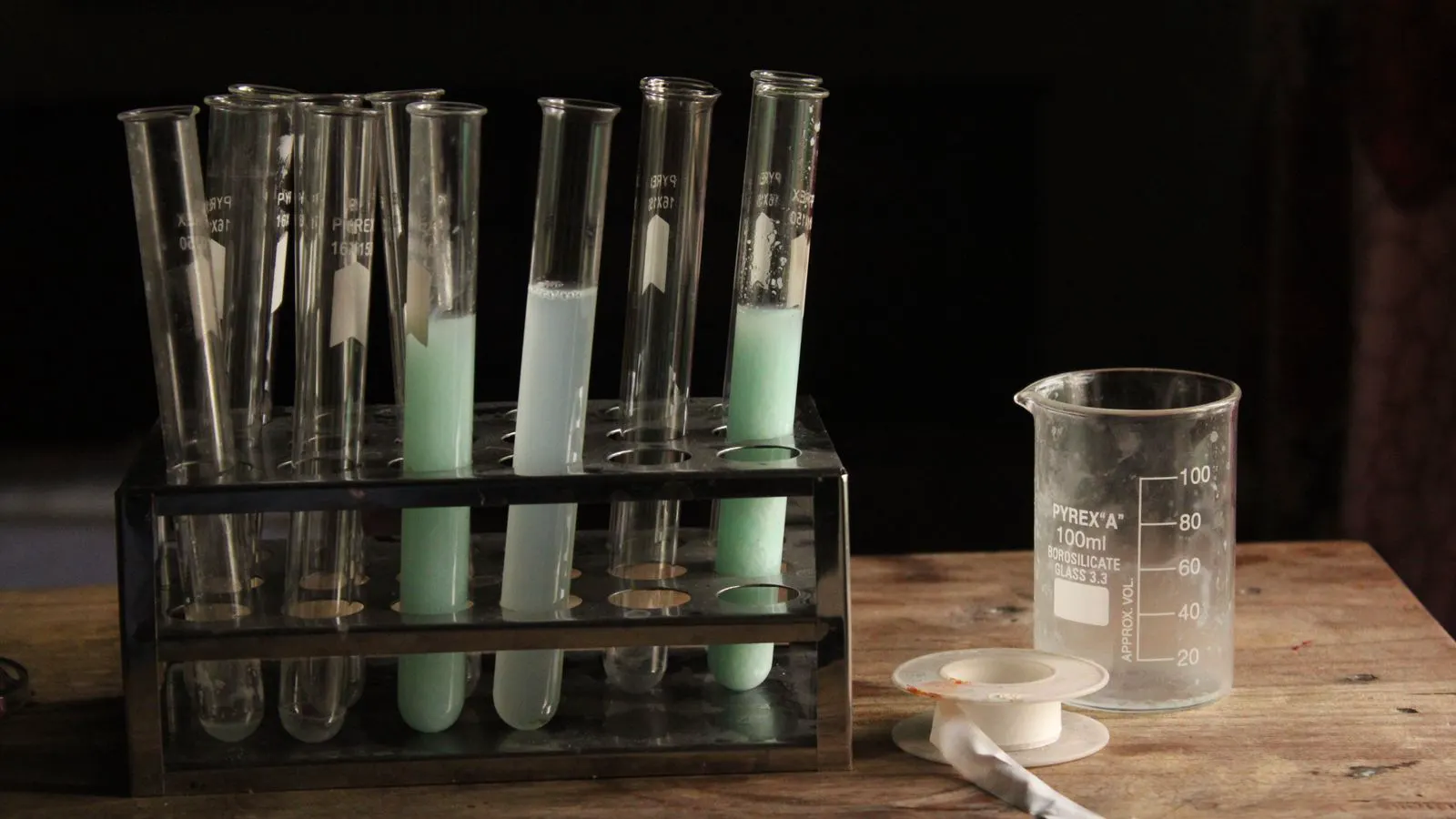
A volumetric flask is the clearest example of calibrated glassware. Its narrow neck limits the area where the meniscus can sit, which reduces reading error. A 100 mL volumetric flask has a much tighter tolerance than a 100 mL beaker. The beaker has a wide mouth, so the difference between 95 mL and 105 mL is hard to see.
A Worked Example in Plain Words
Imagine a lab that prepares a 1000 mL stock solution for daily use. The team needs 100 mL of a concentrated reagent, diluted to 1 L. They have two options for measuring the 100 mL: a 100 mL volumetric flask or a 100 mL beaker.
If they use the beaker, they pour the reagent until the liquid reaches the 100 mL mark. Because the beaker has a wide mouth, the meniscus might be 2 mL high or 8 mL low without the user noticing. That is a 2 percent error in the starting volume. When they add the remaining 900 mL of water, the final concentration shifts by roughly the same amount. In a routine cleaning task, that shift is invisible. In a titration or a stability test, it can change the reported result.
If they use a 100 mL volumetric flask, the fill line is near the top of a narrow neck. The user reads the meniscus at eye level. The flask is calibrated so that, at the stated temperature, the liquid holds within a small tolerance. The error is smaller. The final concentration is more predictable.
The example shows a simple trade-off. More precision costs a little more per item and requires a little more care. Less precision is cheaper and faster, but it introduces variability. The right choice depends on what the result must support.
Sourcing and Ordering Considerations
When you order lab glassware, the label matters. A product listing may say “volumetric” or “calibrated.” Read the specification sheet. It should state the tolerance, the temperature reference, and whether a certificate is included. If the item is for regulated work, ask for the certificate number or batch traceability.
Bulk ordering changes the math. A single 50 mL flask is a small purchase. An order of 500 flasks for a teaching lab or a production line is a different project. Prices often drop in volume, but so does the room for error if the tolerance is wrong. If a supplier offers a lower-cost lot with a wider tolerance, confirm that it meets your process need before signing.
Lead times vary. Calibrated glassware is often made in standard sizes, so stock is common. Custom tolerances or special materials can add weeks. If your lab runs on a tight schedule, order enough to cover a buffer period. Keep a small reserve of critical volumes so a late shipment does not stop an experiment.
Storage and handling also affect accuracy. A volumetric flask that has been dropped may have a hairline crack near the neck. The glass looks fine, but the fill line no longer holds correctly. Inspect items before use. Replace anything with chips, cracks, or faded markings.
When to Use Each Type
Use calibrated glassware when the volume is part of the measurement. That includes titrations, standard solution preparation, gravimetric work, and any task where a small volume error changes the answer. It also fits regulated environments where you need to trace the volume back to a manufacturer test.
Use non-calibrated glassware for mixing, heating, and rough estimates. Beakers are workhorses. You pour, stir, and heat them. The printed numbers are there so you can tell if a solution is roughly full or nearly empty. Erlenmeyer flasks are similar. Their shape resists splashing, but the volume marks are not a certified measurement.
There is a middle ground. Some labs use non-calibrated beakers for mixing and then transfer the solution to a calibrated flask for final volume. This keeps the mixing step flexible and the final volume precise. It adds a transfer step, but it reduces error. For many routine procedures, that extra step is worth the gain.
Maintenance and Re-Verification
Calibrated glassware does not stay calibrated forever. The glass itself is stable, but the environment around it changes. Temperature swings, repeated cleaning, and small impacts can affect performance. A certificate is a snapshot. It says the item tested well at a point in time.
If your lab follows a quality system, you may re-verify items periodically. The method varies. Some labs weigh the glassware when dry and when full to a mark, then calculate the volume from mass. Others use a reference instrument. The goal is the same: confirm that the item still performs within tolerance.
Non-calibrated glassware needs less formal tracking, but it still needs care. A beaker with a chipped rim is a safety risk. A stained flask may hide a crack. Keep a simple log if you want, noting when items were replaced or discarded. This is not a calibration record. It is a maintenance record. It helps you see when a batch is wearing out.
The difference between calibrated and non-calibrated glassware is not a quality judgment. It is a function judgment. Calibrated items are built for measurement. Non-calibrated items are built for use. Pick the tool that matches the job, and your sourcing decisions become clearer.
Frequently asked questions
Can I use a beaker to measure a precise volume?
No. Beakers have approximate markings for general use. For precise volume work, use a calibrated volumetric flask or graduated cylinder.
What does a calibration certificate tell me?
It lists the item, the tolerance, the temperature reference, and the test date. It supports traceability for regulated work.
Do all volumetric flasks have the same tolerance?
No. Tolerance depends on the volume and the standard the supplier follows. Check the specification before ordering.
How often should I re-verify calibrated glassware?
Follow your lab quality system. Many labs check items annually or after a specific number of uses, depending on the task.
Is non-calibrated glassware less safe?
Not necessarily. Safety depends on the glass type, condition, and use. Inspect for cracks and chips before use.