Comparison of Borosilicate vs Soda-Lime Lab Glassware
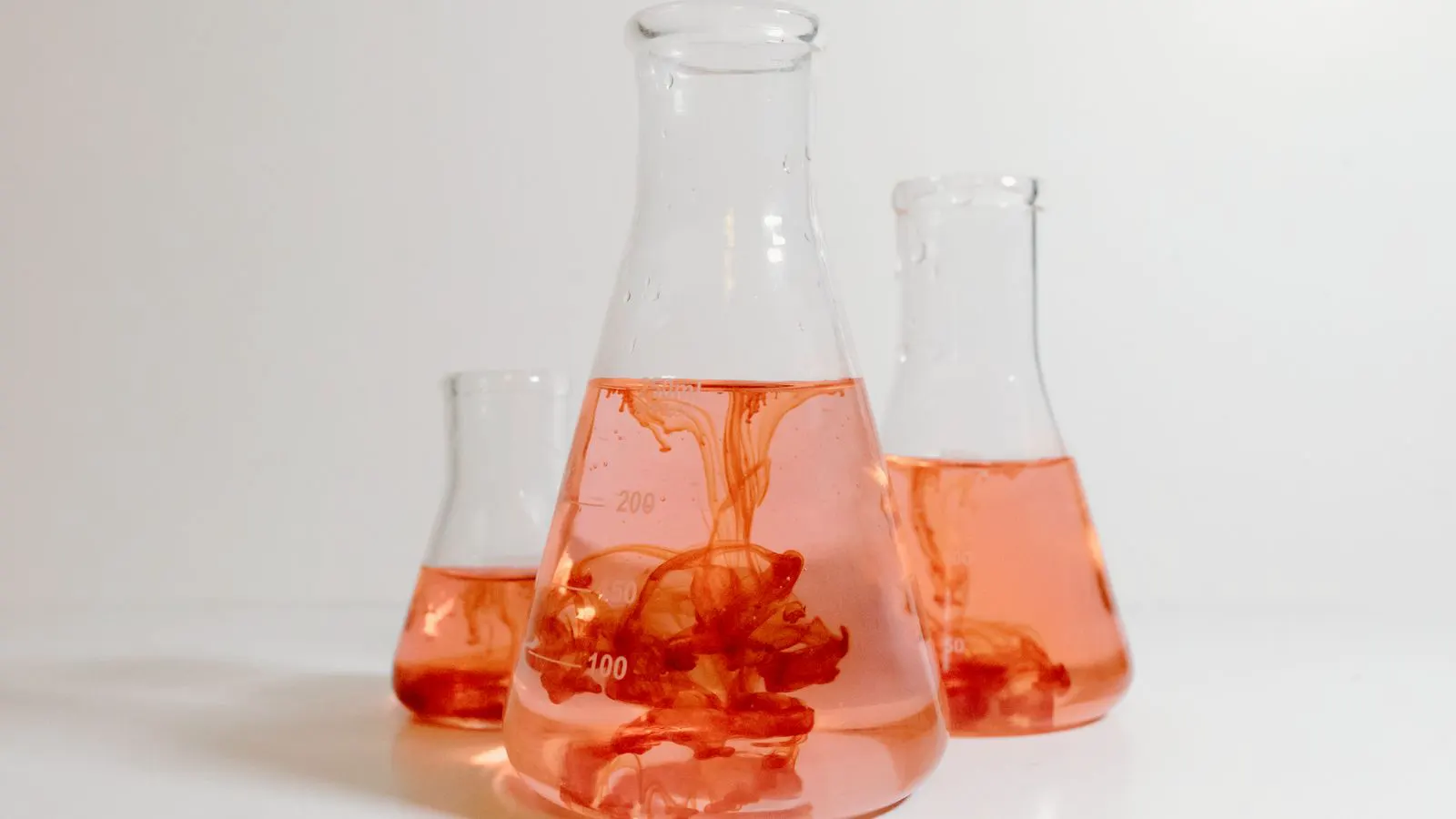
Choose borosilicate for high-temperature work and aggressive chemicals because it resists thermal shock. Pick soda-lime for low-budget tasks where heat and acid exposure are minimal. Borosilicate costs more but lasts longer under stress.
- Borosilicate glass handles heat cycling and acid exposure far better than soda-lime.
- Soda-lime glass is cheaper and lighter, making it suitable for basic aqueous solutions.
- Match the glass material to your process temperature and chemical environment.
- Check the manufacturer specification sheet for the actual glass composition.
- Replace cracked or etched glassware immediately to avoid breakage during heating.
How to tell which glass type is in your lab
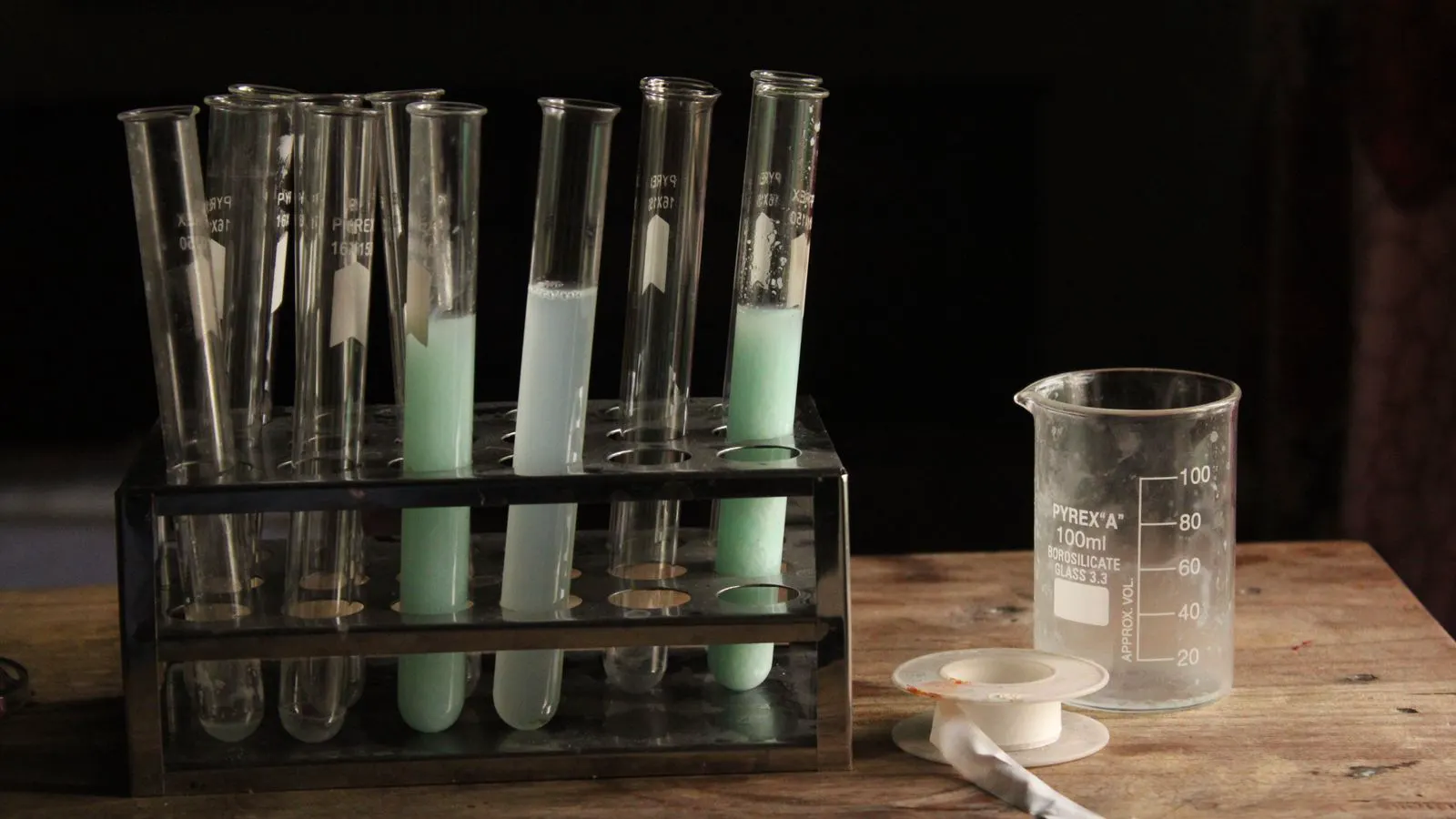
Most labs hold two distinct types of lab glassware on the shelf. One is the heavy, thick-walled borosilicate set used for heating and titration. The other is the thinner, lighter soda-lime stock used for simple transfers and cold storage. Both look like clear glass under normal light. The difference becomes visible only when the glass meets heat, acid, or a sharp impact.
A practical first check is the weight. Borosilicate flasks feel denser in the hand because the glass is thicker and the density is higher. Soda-lime glass is lighter and often has thinner walls to keep costs down. If you hold a 500 mL beaker and it feels unusually light, it is likely soda-lime. If it feels substantial, it is probably borosilicate.
The color of the glass is not a reliable indicator. Some borosilicate glassware has a faint green tint. Some soda-lime glassware is nearly colorless. Manufacturers may add trace elements that affect color, but color does not predict thermal or chemical performance. Always check the label or the supplier catalog for the glass type.
Thermal shock and temperature limits
Thermal shock is the main reason labs keep borosilicate for anything that goes into a hot water bath, oven, or flame. When glass heats up, it expands. When it cools, it contracts. If the expansion is uneven, internal stress builds. If the stress exceeds the glass’s tensile strength, it cracks.
Borosilicate glass resists this stress because it has a low coefficient of thermal expansion. The glass expands and contracts less when temperature changes. This allows it to survive repeated heating cycles without developing micro-fractures. A borosilicate beaker can move from an ice bath to a boiling water bath and usually survive. A soda-lime beaker in the same scenario often shatters.
Soda-lime glass has a higher coefficient of expansion. It is more sensitive to sudden temperature changes. If you heat a soda-lime flask unevenly, for example by placing one side under a Bunsen burner while the other side cools, the glass can split. This is why soda-lime is rarely used for direct flame heating. It is also not recommended for rapid cooling after heating.
The practical rule is simple. If the glassware will see a temperature change of more than about 50 degrees Celsius in a short time, use borosilicate. If the process stays near room temperature or changes slowly, soda-lime can work.
Chemical resistance and etching
Chemical exposure is the second major factor. Glass is generally resistant to water and many organic solvents. But acids, bases, and some salts can attack the glass surface over time.
Borosilicate resists hydrofluoric acid better than soda-lime, though neither is safe for concentrated HF for long periods. Borosilicate also handles strong bases and hot acids more gracefully. Soda-lime glass is more susceptible to etching by alkali solutions. Over time, the surface becomes rough and opaque. This is often visible as a cloudy white film on the inside of a beaker or flask that has held a strong base.
The etching is not just cosmetic. A roughened surface traps residues and makes cleaning harder. It also weakens the glass locally. A flask that looks cloudy inside is a candidate for replacement. Do not assume that a cloudy beaker is just dirty. If it has been used for hot alkali, the glass itself may be compromised.
For routine aqueous work with neutral or mildly acidic solutions, soda-lime is adequate. For work involving hot acids, concentrated bases, or repeated cleaning cycles with aggressive detergents, borosilicate is the safer choice. The material choice here is about long-term durability, not just immediate safety.
Comparison of borosilicate and soda-lime lab glassware
| Option | Best for | Limitations |
|---|---|---|
| Borosilicate | High-temperature work, hot acids, alkali solutions, repeated heating cycles | Higher cost, heavier weight, thicker walls that can trap liquid when rinsing |
| Soda-lime | Room-temperature transfers, mild aqueous solutions, low-budget stock | Poor thermal shock resistance, etches in strong base, cracks with uneven heating |
| Borosilicate with thick walls | Ovens, autoclaves, direct flame if rated | Difficult to clean, higher mass, more expensive per piece |
| Soda-lime with thin walls | Basic teaching labs, cold storage, simple volumetric work | Fragile, not for heat, not for aggressive chemicals |
| Mixed stock set | Labs with varied tasks | Requires strict segregation to avoid using wrong glass for hot work |
Cost, lead time, and bulk ordering
Borosilicate lab glassware costs more per piece than soda-lime. The price gap is not huge for a single beaker, but it adds up fast for a full set of flasks, beakers, and volumetric glassware. If a lab replaces 100 beakers a year, the difference between borosilicate and soda-lime can be meaningful.
Lead times also differ. Soda-lime is a commodity item. Suppliers keep large stock on hand. Borosilicate, especially in thick-wall or custom shapes, may take longer to source. If you order a large quantity of borosilicate flasks in one shape, the supplier may need to allocate production time. Soda-lime can usually be shipped same day or next day from many distributors.
When ordering bulk lab glassware, specify the glass type in the line item. Do not assume the default is borosilicate. Some suppliers list “standard glass” which may be soda-lime. If you need borosilicate for a heating protocol, say so in the purchase order. Also specify the wall thickness if it matters for your process.
When to pick each material
Pick borosilicate when the glassware will go through a thermal cycle. This includes anything heated in an oven, placed in a hot water bath, or exposed to a flame. It also includes work with hot acids or concentrated alkali. If the glassware will be autoclaved repeatedly, borosilicate is the standard choice because it withstands the steam pressure and temperature swings.
Pick soda-lime when the process is cold and mild. This includes room-temperature sample transfers, basic titrations with neutral solutions, and storage of non-aggressive liquids. It is also suitable for teaching labs where students handle glassware carefully and the main risk is breakage rather than thermal shock. Soda-lime is lighter, which reduces fatigue when students pour from flasks.
Do not use soda-lime for anything that will be heated. Do not use it for hot water baths. Do not use it for direct flame. The failure mode is sudden and dangerous. A cracked flask in a hot bath can burst and splatter boiling liquid. The cost of one soda-lime beaker is small compared to the risk and the cleanup.
Practical checks before use
Inspect every piece of glassware before use. Look for chips, cracks, or cloudy areas. A chip on a beaker rim can grow into a crack when the glass is heated. A cloudy inside wall suggests chemical attack. Replace the item if the defect is on the outside or if the cloudiness is on the inside.
Check the label. If the label is missing or worn, do not guess. Look up the supplier catalog or the part number. If you cannot confirm the glass type, treat it as borosilicate and use it only for cold work, or replace it.
When storing glassware, keep borosilicate and soda-lime in separate racks if possible. This prevents accidental substitution. Label the racks. A simple white label that says “SODA-LIME, COLD ONLY” on the rack is enough. This small step prevents a lot of breakage.
The material choice is a small decision, but it has big consequences. Match the glass to the process. Use borosilicate for heat and chemicals. Use soda-lime for cold, mild, low-budget tasks. And always inspect before you pour.
Frequently asked questions
Can I use soda-lime glassware in a hot water bath?
No. Soda-lime glass has poor thermal shock resistance and can crack or shatter when heated unevenly. Use borosilicate for any hot water bath work.
How can I tell if my beaker is borosilicate?
Check the label or part number. If missing, weigh it. Borosilicate feels heavier and has thicker walls than soda-lime of the same size.
Is borosilicate glassware always better?
No. Borosilicate is better for heat and chemicals, but it costs more and is heavier. For cold, mild work, soda-lime is adequate and cheaper.
Can I mix borosilicate and soda-lime glassware in the same lab?
Yes, but keep them in separate racks and label them clearly. This prevents accidental use of soda-lime for hot work.
What should I do if a glassware piece looks cloudy inside?
Replace it if the cloudiness is caused by chemical etching. Do not assume it is just residue. Etched glass is weakened and traps contaminants.