Buyers Guide to Lab Glassware Quality Grades and Standards
Lab glassware quality varies by material composition, manufacturing tolerance, and surface finish. Buyers should match glass type to temperature needs and check dimensional tolerances. Standards define chemical resistance and mechanical limits. Correct selection prevents breakage, contamination, and rework.
- Match glass type to maximum temperature and chemical exposure, not just volume.
- Check dimensional tolerances and surface finish for measurement and cleaning tasks.
- Use manufacturer certificates and standard markings to verify compliance.
- Replace glassware with chips, crazing, or cloudy bases before it fails.
What defines a quality grade in lab glassware
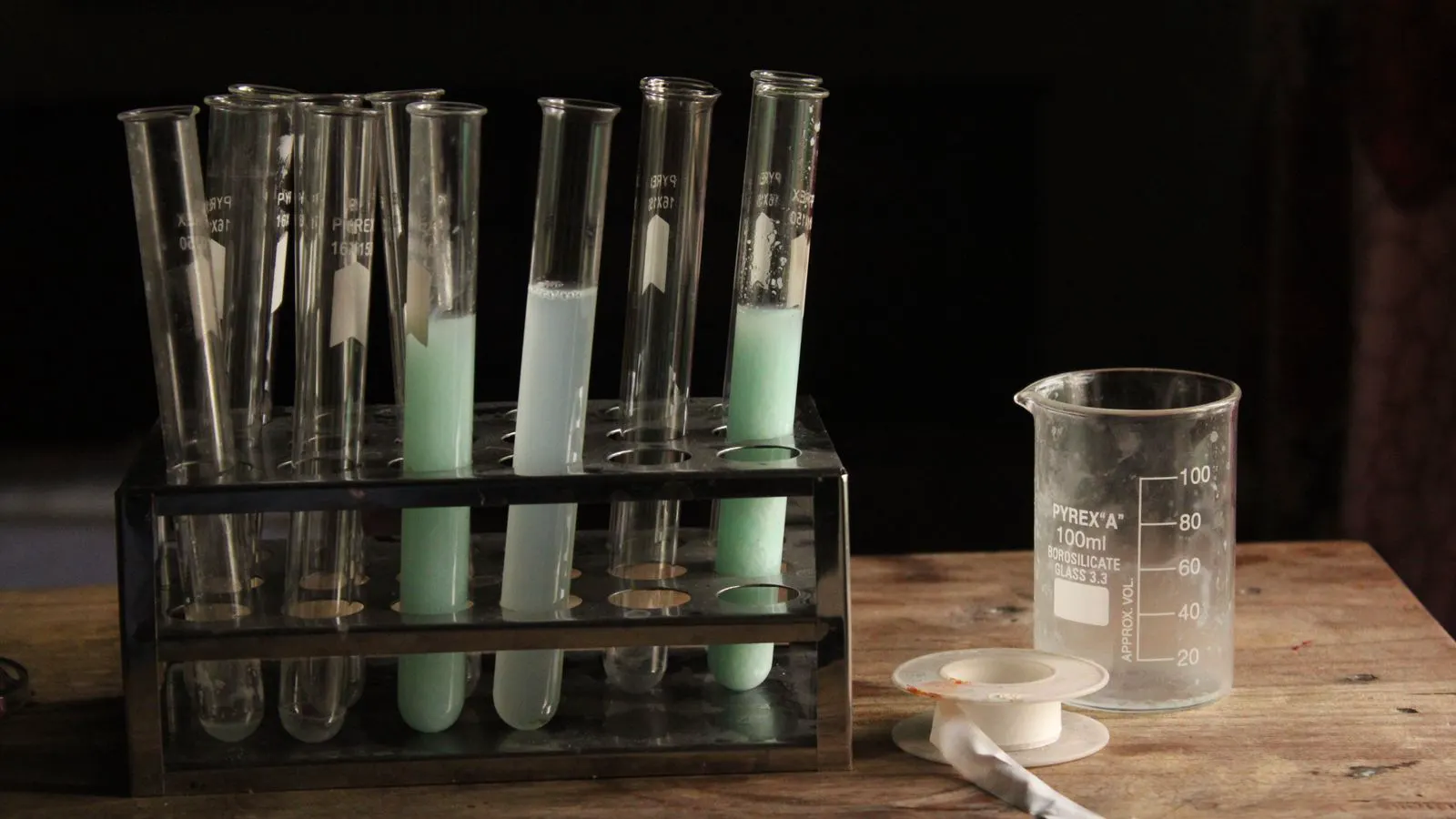
Lab glassware quality is not a single label. It is a combination of material chemistry, manufacturing process, and dimensional control. A 100 milliliter beaker and a 100 milliliter volumetric flask both fit that volume, but they serve different roles in a lab. The beaker is an open vessel for mixing and pouring. It does not measure volume precisely. The volumetric flask is a closed system with a calibrated neck for accurate delivery of a fixed amount.
The main grades usually fall into two material families. Soda-lime glass is common for general storage, rinse water, and non-critical pouring. Borosilicate glass resists thermal shock and handles higher temperatures. A third category, sometimes called high-silica or specialized glass, serves niche applications such as optical work or extreme heat. These distinctions matter because the material dictates the physical limits of the equipment.
When a supplier lists a grade, ask what it covers. A grade may refer to the glass composition, the manufacturing tolerance, or the surface finish. A beaker made from borosilicate glass can still have a rough rim if the molding process is loose. A standard soda-lime flask can have a smooth, clear surface if the manufacturer controls the final polish. The material determines what the glass can withstand, while the process determines how consistent the item is across a batch.
The buyer must separate material choice from process quality. Material tells you what the glass can withstand. Process quality tells you how consistent the item is across a batch. A batch of flasks from the same mold can vary in neck diameter if the machine drifts during a run. That variation matters when the flask feeds a pipette or a burette. If the neck is slightly wider than intended, the liquid level reading becomes unreliable.
Which material fits your application
The material choice is the first decision. For most routine lab work, borosilicate glass is the default for anything that sees heat, acid, or thermal cycling. It handles rapid temperature changes without cracking. It resists many common reagents better than soda-lime glass. The high silica content in the glass matrix gives it a lower coefficient of thermal expansion. This means it contracts and expands less when heated or cooled. That stability prevents the micro-fractures that lead to failure.
Soda-lime glass is cheaper and works well for cold water, storage, and low-risk chemical transfer. It is brittle to thermal shock. Do not heat a soda-lime beaker from cold to a hot plate. The thermal gradient can fracture the base. The center of the glass expands faster than the edges, creating internal stress. If the stress exceeds the material limit, the glass cracks along a stress concentration point.
There are also fused silica glassware and quartz options. These handle extreme temperatures and high-purity applications. They are expensive and heavy. Most labs do not need them. If a protocol specifies high-purity or low-adsorption glass, the spec sheet will say so. Otherwise, borosilicate is usually sufficient. Fused silica is often used in high-vacuum systems or optical spectroscopy where even trace impurities can interfere with results.
The chemical resistance of the material is a second layer. Acidic solutions attack glass over time. Hydrofluoric acid is the exception that breaks the general rule. It etches borosilicate quickly. For long-term storage of aggressive acids, the glassware may need a liner or a different container. Even with borosilicate, prolonged contact with strong acids can thin the glass walls over months or years. The glass becomes weaker and more prone to breaking during routine handling.
How to read the markings and standards
Every piece of lab glassware should carry markings. Look for the material type, the volume, the temperature rating, and the manufacturer. The volume marking on a volumetric flask is usually the fill line, not the top. The tolerance for that volume depends on the size and the standard it follows. A 50 milliliter volumetric flask has a much tighter tolerance than a 500 milliliter one. The smaller the volume, the smaller the allowed error. This is because small volumes are used in precise titrations and standard solution preparation, where even a milliliter difference can skew results.
Standards exist to make measurements comparable across labs. A flask marked as conforming to a recognized volume standard should have a specific tolerance for its nominal volume. The standard defines the acceptable deviation from the true volume. Without this, a flask labeled 100 milliliters could contain anywhere from 98 to 102 milliliters, depending on the manufacturer. With a standard, the range is fixed and known.
The temperature rating indicates the maximum temperature the glass can withstand without cracking or degrading. Some glassware is rated for repeated thermal cycling. Others are rated for a single heating step. A beaker marked for a higher temperature is not automatically better for repeated cycling. The glass may handle the peak but fail after many cycles. Fatigue sets in as the glass expands and contracts repeatedly. The internal structure weakens over time, even if the item appears intact.
Look for the standard marking on the bottom of the item. Some manufacturers print the standard number directly on the glass. Others include it in the catalog and the certificate of conformity. If the standard number is missing, ask the supplier for the document. A certificate should state the standard, the material, the batch or lot, and the date of manufacture. This documentation allows you to trace a defective item back to a specific production run. If a batch fails, you can contact the supplier with the lot number and request a recall or replacement.
What to check on the physical item
Before accepting a shipment, inspect the glassware. The visual check takes minutes and prevents failures later.
- Look at the base. A flat, clear base indicates good molding. A cloudy or uneven base suggests the glass cooled unevenly. This can weaken the base and make the item unstable. If the base is warped, the beaker will wobble on the hot plate, increasing the risk of spillage or breakage.
- Check the rim. A smooth rim is a sign of good finishing. A rough or chipped rim is a contamination risk and a safety hazard. It can cut the hand during cleaning. It can also trap liquid residues, making it difficult to remove completely.
- Inspect the neck and threads. The threads on a stopper should be even. The neck should be straight. A bent neck will not seat properly in a funnel or a stand. If the neck is slightly crooked, the stopper may not seal, leading to evaporation or contamination.
- Look for crazing. Crazing is a network of tiny cracks on the surface. It usually starts at the base or the rim. It looks like a web of faint lines. Crazed glass is weak and can break under stress. These micro-cracks can grow under thermal or mechanical load, causing sudden failure.
- Check the clarity. The glass should be clear. Hazy or cloudy glass may indicate poor melting or inclusions. Haze can trap contaminants and make cleanliness hard to verify. In analytical work, even tiny inclusions can affect the purity of the solution being prepared.
- Verify the markings. The volume and temperature markings should be legible. Faded or scratched markings make it impossible to verify the item during use. If the fill line is worn away, you cannot confirm whether the volume is correct. Discard the item or replace it immediately.
How to evaluate suppliers and standards compliance
The supplier is part of the quality chain. A good supplier can provide the certificate of conformity, answer material questions, and replace defective items quickly. A weak supplier sends a catalog and a price list, then disappears when a batch fails. The relationship with the supplier determines how quickly you can resolve quality issues.
When comparing suppliers, ask for the material composition and the manufacturing standard. Do not accept “lab grade” as a full answer. “Lab grade” is a vague term. It may mean anything from a cheap soda-lime bottle to a high-precision borosilicate flask. Ask for the specific glass type and the tolerance for the volume. If the supplier cannot provide these details, they likely do not control the process closely enough to guarantee consistency.
The price is a secondary signal. A very low price often points to a looser manufacturing process. The glass may be the right material but the mold may be old or the finish may be poor. A higher price does not guarantee quality, but it usually buys better tolerance control and better surface finish. Price reflects the cost of quality control, testing, and documentation. If a supplier offers a premium price for a standard item, ask what additional testing or certification they provide.
For bulk orders, request a sample before the full shipment. Inspect the sample against the same checklist used above. If the sample passes, the full batch has a reasonable chance of passing. If the sample fails, the full batch will likely fail. This step saves time and money. It also gives you a reference point for comparison when the full shipment arrives. If the full batch deviates from the sample, you have documentation to support a claim.
A criteria table for choosing glassware
Use the table below when comparing options for a specific lab task.
| Criterion | What to look for | Why it matters |
|---|---|---|
| Material | Borosilicate for heat and acid, soda-lime for cold storage | Determines thermal and chemical resistance |
| Volume Tolerance | Tighter tolerance for smaller volumes | Affects measurement accuracy and reproducibility |
| Surface Finish | Smooth, clear, no crazing or chips | Prevents contamination and breakage |
| Markings | Legible volume and temperature, standard marking | Verifies compliance and usage limits |
| Manufacturer | Certificate of conformity, lot tracking | Allows traceability and replacement |
| Temperature Cycling | Rated for repeated heating and cooling | Prevents failure during repeated use |
Decision checklist
Use this checklist before ordering.
- Identify the maximum temperature and the chemical exposure.
- Select the material: borosilicate for heat and acid, soda-lime for cold storage.
- Check the volume tolerance required by the protocol.
- Verify the surface finish on a sample.
- Request the certificate of conformity and the standard marking.
- Confirm the supplier can replace defective items quickly.
- Store the glassware with the markings facing the shelf edge for easy inspection.
Frequently asked questions
Can I use soda-lime glass for heating?
No. Soda-lime glass is not designed for thermal shock. It can crack when heated rapidly. Use borosilicate glass for any heating step.
How do I know if a flask is a volumetric flask or a beaker?
A volumetric flask has a narrow neck and a single volume line. A beaker has a wide mouth and multiple graduation lines. They serve different roles. A volumetric flask measures a specific volume. A beaker holds and mixes.
What is crazing in glassware?
Crazing is a network of tiny cracks on the surface. It weakens the glass and can trap contaminants. Replace crazed glassware before it breaks.
Do I need a certificate of conformity for every order?
Yes, for bulk or critical orders. The certificate states the material, the standard, and the lot number. It allows traceability if a problem arises later.
How often should I inspect my glassware?
Inspect it before each use. A quick visual check for chips, crazing, and cloudy bases takes seconds. It prevents failures and keeps the lab safe.