Explainer: Total Cost of Ownership in Lab Purchases

Total cost of ownership tracks the full expense of laboratory equipment, including purchase price, installation, consumables, and maintenance. This cost analysis method helps buyers make accurate purchasing decisions by revealing hidden costs that a sticker price alone cannot show.
- Total cost of ownership includes more than the sticker price. It covers installation, training, consumables, and maintenance.
- A proper cost analysis reveals hidden expenses that affect long-term purchasing decisions.
- Standardized tracking across equipment types makes budget planning and vendor comparisons more reliable.
- Pre-order requirements and lead times must be factored into the financial picture.
- Documenting assumptions keeps procurement decisions auditable and easier to defend to stakeholders.
A lab purchase decision often starts with a quote. The number on that page feels final, but it is usually only the first line of a much longer statement. Total cost of ownership, or TCO, asks a different question. It asks what the equipment will cost to own and operate over its useful life.
That shift changes how a purchasing team evaluates options. A cheaper instrument can end up more expensive once installation, training, consumables, and maintenance are added. A higher initial cost can be offset by lower operating expenses. The difference between these two paths is exactly what cost analysis is designed to surface.
What total cost of ownership actually covers
TCO is not a single number. It is a collection of costs that happen at different times and often through different budget lines. The purchase price is only one input. The rest includes installation, calibration, consumables, energy, maintenance, and disposal.
In a lab setting, these categories tend to fall into four buckets.
| Cost Category | Typical Items | When It Hits |
|---|---|---|
| Acquisition | Purchase price, shipping, installation, calibration, training | Before first use |
| Operation | Consumables, energy, reagents, software licenses | Every run or every year |
| Maintenance | Preventive service, parts, repairs, downtime | Ongoing |
| End of Life | Disposal, decontamination, data migration | Final years |
The acquisition bucket is easy to see. It shows up in the quote and the invoice. The other three are harder to track because they appear in service contracts, supply orders, and facilities bills. A buying team that only looks at acquisition costs is working with a partial picture.
A common mistake is to treat maintenance as an afterthought. Some labs buy an instrument and then discover that a service contract is required for warranty coverage. Others find that a specific column or vial is only available from the manufacturer, which locks them into a supply chain they did not plan for.
Why cost analysis matters in lab purchasing
Cost analysis turns a list of expenses into a comparable measure. Without it, two vendors can look very different on paper. One may offer a lower upfront price, while the other charges more but includes a multi-year service agreement. If the analysis only looks at the invoice, the cheaper option wins. If the analysis includes the service term, the outcome may be the opposite.
This is where the purchasing process becomes more structured. A clear cost model forces the buyer to define the assumptions. What is the expected lifespan? What is the annual run volume? What is the cost of downtime? These are not abstract questions. They determine which instrument fits the workflow.
In a gas chromatography lab, for example, the cost of a column may seem small compared to the instrument price. Over a multi-year period, that small cost repeats many times. A cost analysis that ignores that repetition will underestimate the true expense. It will also make it harder to compare two instruments that use different column chemistries or sample preparation methods.
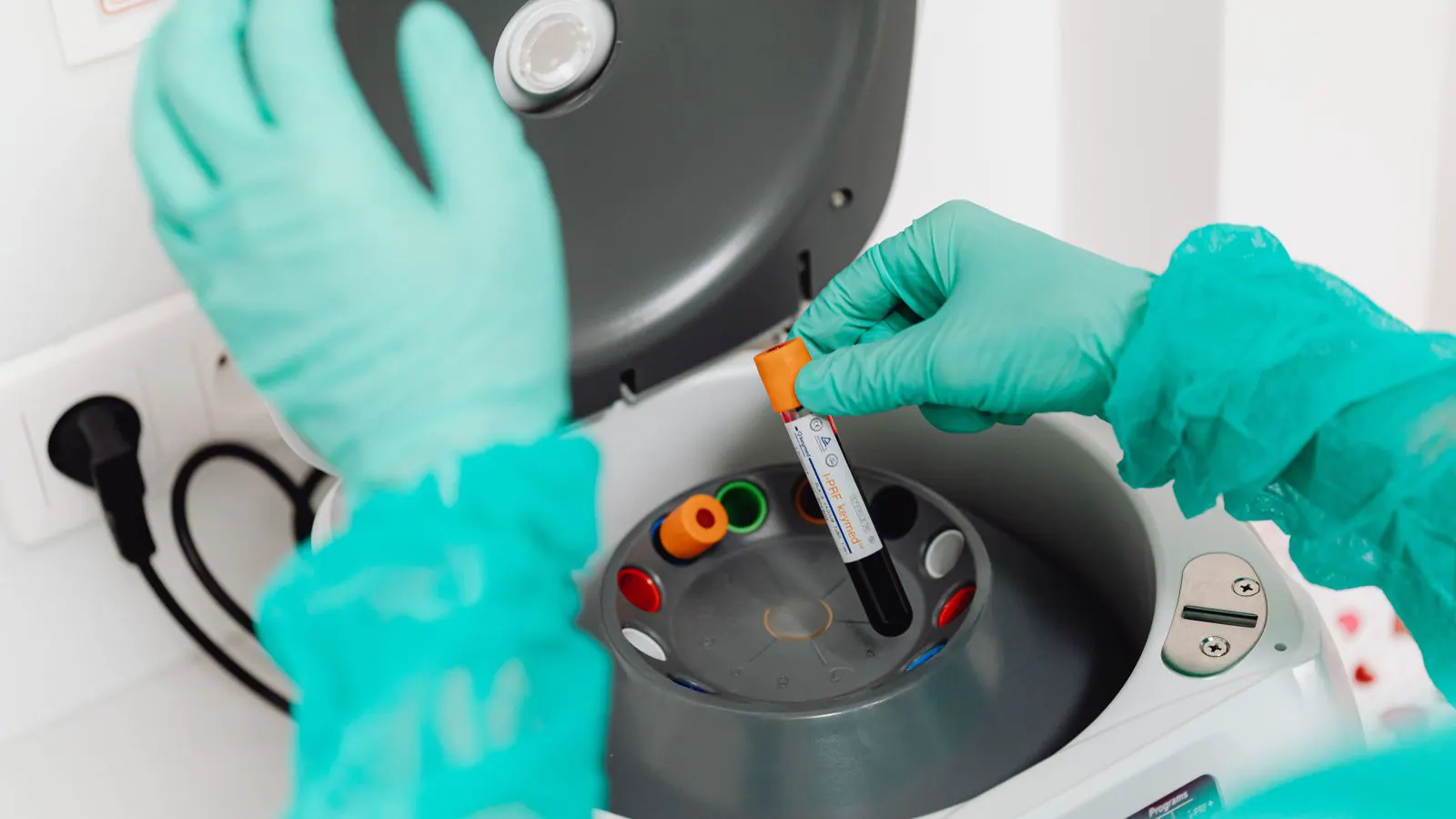
The same logic applies to centrifuges. The machine may be similar in price, but the rotors, seals, and maintenance intervals can differ. If one model requires more frequent seal replacement, that cost adds up. It may not change the decision, but it should be in the file.
How to build a simple TCO model
You do not need a complex spreadsheet to start. A simple model with five rows is enough to catch most hidden costs.
- Purchase price and delivery
- Installation and calibration
- Annual consumables and energy
- Maintenance and service
- Downtime risk
For each row, write down the number you expect. Then write down the source. The quote, the service agreement, the facility energy rate, or a supplier catalog. The source matters because it tells you how confident you are in the number.
The first row is the easiest. The vendor gives you the price. The second row is usually in the installation manual or the service proposal. The third row is where most labs underestimate. Consumables are not just the obvious reagent or column. They include gloves, filters, tips, and calibration standards. Energy is often a small line item, but in a lab that runs an instrument around the clock, it can become significant.
The fourth row is where the contract language matters. A maintenance plan may include labor but not parts. It may cover scheduled service but not emergency repairs. Read the exclusions. A service contract that excludes a specific pump seal may look generous until that seal fails.
The fifth row is the hardest to quantify. Downtime is not a cost you can always put a number on. It may be the delay in a research project. It may be the cost of rerunning a batch. It may be the overtime paid to a technician who stays late to catch up. Even a rough estimate helps. If a repair takes three days, what does that cost the lab in lost output?
How TCO changes sourcing decisions
When TCO is part of the decision, the buying process changes. The focus moves from the lowest quote to the best fit. A vendor with a lower sticker price but a high cost of ownership may not be the right choice. A vendor with a higher upfront cost but a lower operating cost may be.
This also changes how you talk to suppliers. Instead of asking, “What is the price?”, you can ask, “What is the cost of ownership over five years?” That question forces the vendor to provide more detail. It may include service levels, consumable availability, and training support. The answer tells you whether the vendor understands the full picture or only the sale.
In some cases, TCO will reveal that the equipment does not fit the lab. A high-cost instrument may be better for a high-throughput facility, but it may be overkill for a small group. A lower-cost model may be perfectly adequate. The analysis helps you find the middle ground.
It also helps with internal approval. A budget committee may question a high purchase price. If you can show that the total cost is lower over the life of the equipment, the case is stronger. The numbers speak for themselves.
A worked example in plain words
Imagine a lab that needs a new liquid handler for routine sample preparation. Two vendors send quotes. Vendor A has a lower purchase price. Vendor B has a higher purchase price but includes a three-year service agreement and a lower cost per reagent.
The lab builds a simple TCO model. For Vendor A, the purchase price is the starting point. They add installation and training. Then they add the cost of reagents and energy over three years. Finally, they add the maintenance cost, which is not included in the purchase price.
For Vendor B, the purchase price is higher. But the service agreement covers labor and parts for three years. The reagent cost is lower because the vendor offers a preferred pricing tier. The energy cost is similar.
When the two models are compared, Vendor B has a lower total cost. The difference is not huge, but it is real. It is also not just a financial point. Vendor B’s service agreement means the lab has a single point of contact for maintenance. Vendor A’s service is a pay-per-visit arrangement, which means the lab has to manage scheduling and track costs.
The decision is not made on price alone. It is made on the total cost and the operational ease. The TCO model made that clear.
How to keep TCO accurate over time
A TCO model is not a one-time exercise. It is a living document. As the lab operates, the actual costs will differ from the estimates. A consumable may cost more than expected. A maintenance visit may take longer. A service contract may be renegotiated.
The lab should review the model annually. Compare the actual costs to the estimates. Update the numbers. This keeps the model useful for the next purchase. It also helps with budgeting. If the lab knows that maintenance costs are trending upward, it can plan for it.
This also helps with troubleshooting budget overruns. If a purchase comes in over budget, the TCO model helps identify where the overspend happened. Was it installation? Was it an unexpected consumable? Was it a service contract that did not cover a repair? The answer tells you where to adjust the process.
Keeping the model simple is key. A complex spreadsheet that no one updates is worse than a simple one that is reviewed every year. The goal is not to build a perfect model. The goal is to make the costs visible.
Common mistakes to avoid
The most common mistake is to stop at the purchase price. It is the number on the quote. It is the number the vendor wants you to see. But it is not the whole story.
Another mistake is to assume that maintenance is free. Some labs buy an instrument and then find out that a service contract is required. Others find that a specific part is only available from the manufacturer, which locks them into a supply chain they did not plan for.
A third mistake is to ignore lead times. A lower-cost instrument may have a six-month lead time. A higher-cost instrument may have a two-month lead time. If the lab needs the equipment in three months, the lower-cost option is not available. The TCO model should include the cost of waiting.
Finally, a common mistake is to not document the assumptions. If the model is not written down, the decision is not defensible. If the lab later questions why a certain vendor was chosen, the written model provides the answer.
Total cost of ownership is not a complicated concept. It is a way of looking at lab purchases with more clarity. It asks the right questions. It reveals the hidden costs. It helps the lab make a better decision. The numbers are the starting point. The judgment is what comes next.
Frequently asked questions
How is total cost of ownership different from the purchase price?
Purchase price is the cost to buy the equipment. Total cost of ownership includes installation, consumables, maintenance, and disposal over the life of the instrument.
What are the main categories of cost in a lab TCO model?
The main categories are acquisition, operation, maintenance, and end of life. Each category includes different items that hit the budget at different times.
How long should a TCO model cover?
The model should cover the expected useful life of the equipment. For most laboratory instruments, this is three to seven years, depending on the type and the lab's replacement cycle.
Can TCO be used to compare different types of instruments?
Yes, but the comparison is more useful when the instruments serve the same function. Comparing a gas chromatograph to a centrifuge is less meaningful because the operating costs are different.
What is the biggest mistake in lab purchasing?
The biggest mistake is to make the decision based only on the sticker price. This ignores the long-term costs that often determine the true value of the purchase.