Cost and Lead Times for Lab Centrifuge Models
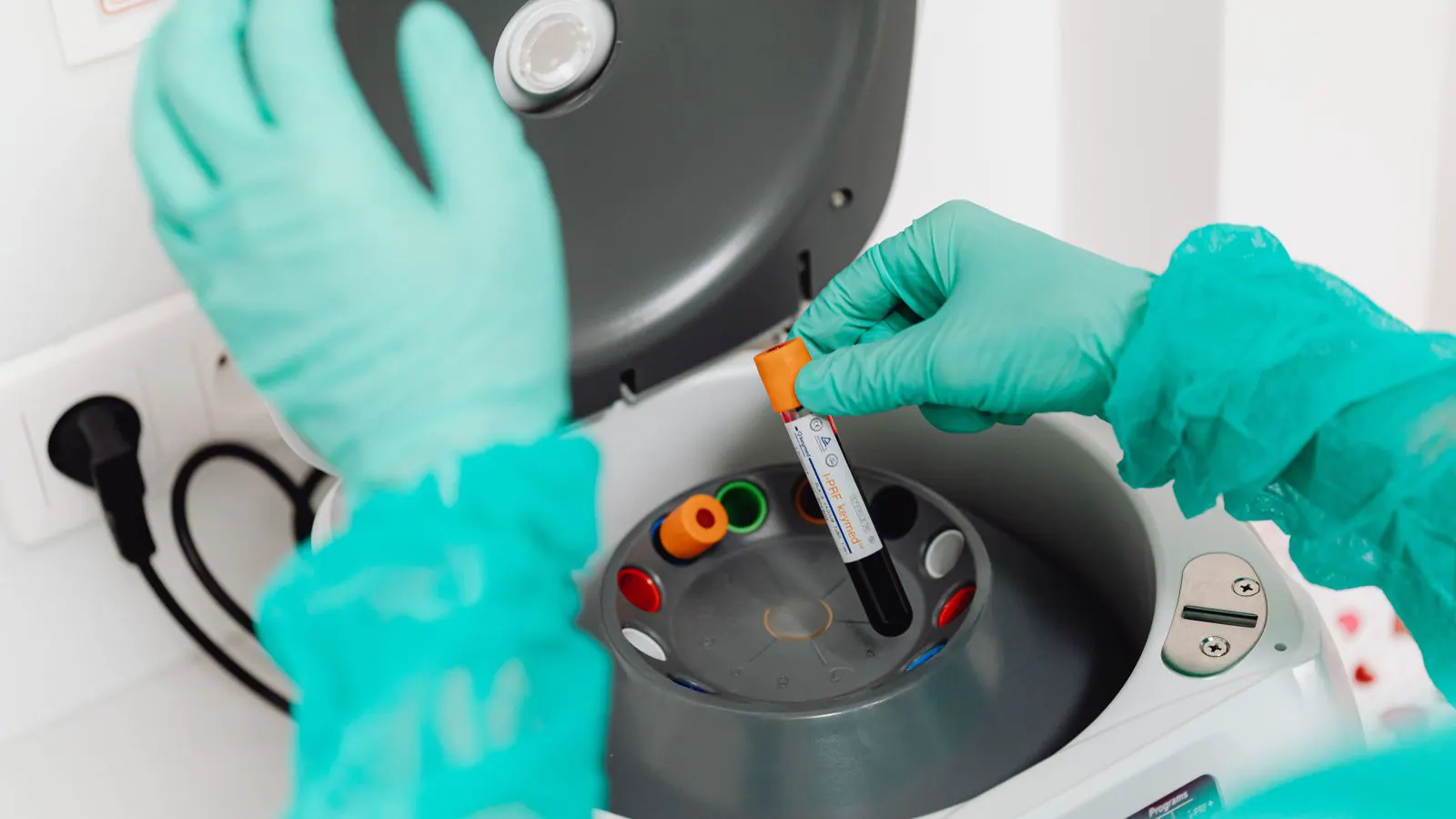
Centrifuge cost depends on rotor type, capacity, and compliance needs. Lead times vary by model and region. This guide covers price drivers, delivery expectations, and a clear RFQ process to get fair quotes.
- Centrifuge cost is driven by rotor type, capacity, and compliance requirements.
- Lead times vary by model, region, and whether rotors are included.
- A clear RFQ with specs and budget range prevents quote mismatches.
- Compare quotes on total cost, not just the upfront price.
- Build in buffer for shipping, installation, and maintenance.
What drives centrifuge cost?
Centrifuge cost is not a single number. It is the sum of the instrument, the rotors, the accessories, the service plan, and the compliance features your lab needs. A benchtop centrifuge and a high-speed research unit can differ by several orders of magnitude. The gap is not just about size. It is about the physics of the machine, the materials used in the rotor, and the controls that manage vibration, noise, and safety.
The first major cost driver is rotor type. Fixed-angle rotors are standard in teaching labs and routine clinical work. They are mechanically simple and less expensive. Swing-bucket rotors allow tubes to hang vertically, which reduces stress on samples and is common in clinical diagnostics. High-speed rotors for ultracentrifugation are the most expensive. They use precision bearings, balanced housings, and often cryogenic options. If your protocol requires 100,000 rpm or higher, the price jumps quickly.
Capacity is the second driver. A unit that spins eight 15 mL tubes is not the same as a unit that handles 24 x 50 mL. The larger the payload, the more mass the rotor must spin, and the more power and cooling the drive system needs. Capacity also affects footprint and installation requirements. A large benchtop unit may need a reinforced bench or a dedicated floor space. A floor-standing unit may require a different power supply and a different floor load rating.
Compliance features are the third driver. Clinical labs often need GLP or ISO 13485 certified equipment. This adds documentation, validated software, audit trails, and service records. Research labs may need software that integrates with LIMS or that supports data export for grant reporting. These features are not cosmetic. They change the electronics, the firmware, and the service model. A unit that meets a regulatory standard costs more than a unit that does not.
The fourth driver is the service and support model. Some vendors sell the instrument with a basic warranty and charge separately for preventive maintenance. Others bundle a multi-year service plan with the sale. The price difference can be significant. A service plan that includes on-site visits, rotor calibration, and priority parts delivery costs more up front but reduces downtime risk. When you compare quotes, do not look only at the instrument price. Look at the total cost of ownership over three to five years.
What are typical lead times?
Lead times for centrifuges vary by model, region, and whether the unit is in stock. A common benchtop centrifuge may arrive within a few weeks. A high-speed research unit or a specialized clinical model may take several months. The difference is not just manufacturing time. It is also the time needed for calibration, shipping, and installation.
The first factor is whether the unit is built to order. Standard benchtop models are often stocked by regional distributors. If your distributor has a unit in the warehouse, delivery can be fast. If the unit is not in stock, the distributor must order it from the manufacturer. That adds lead time. High-end or specialized models are often built to order. They require custom rotors, specific software configurations, and compliance documentation. That process takes longer.
The second factor is rotor availability. Rotors are not always interchangeable. They are matched to the drive system and the balance requirements of the instrument. If you need a specific rotor that is not in stock, the lead time increases. Some rotors have long production cycles because they require precision balancing and testing. If you need a cryogenic rotor, the lead time can be longer still. Always ask the vendor for the rotor lead time separately. The instrument may be ready in three weeks, but the rotor may take two months.
The third factor is installation and calibration. A benchtop centrifuge may be delivered, plugged in, and ready to use. A large floor-standing unit may require a dedicated power supply, a reinforced floor, and a formal calibration certificate. Some labs also require a pre-installation inspection. The lab must confirm that the bench is level, the power is correct, and the ventilation is adequate. If the lab is not ready, the vendor may delay installation. That delays the start of use.
The fourth factor is regional logistics. Shipping a centrifuge across borders can add time. Customs clearance, import documentation, and local compliance checks all take time. Even within a country, the last-mile delivery to a lab building can be slow if the lab is in a restricted area or if the building requires a lift reservation. Always ask the vendor for a delivery date, not just a ship date. A ship date means the box leaves the warehouse. A delivery date means the box is on your bench.
How to write a clear RFQ
A weak RFQ produces weak quotes. If you send a vague request, vendors will send vague quotes. You will get three or four prices that do not match each other. One quote includes rotors and a service plan. Another does not. One assumes a standard benchtop unit. Another assumes a high-speed unit. You cannot compare them.
A clear RFQ has five parts. The first is the application. State what the centrifuge is for. Is it for routine clinical testing? Is it for protein purification? Is it for teaching? The application tells the vendor which features matter. A vendor selling to a clinical lab will quote a different package than a vendor selling to a teaching lab.
The second part is the technical specs. List the minimum specs you need. Capacity in mL or mL per rotor. Maximum rpm. Maximum relative centrifugal force. Rotor type. Compliance standards. Software requirements. The more specific you are, the better. Do not say “high speed.” Say “minimum 20,000 rpm.” Do not say “large capacity.” Say “24 x 50 mL swing-bucket.”
The third part is the commercial terms. State the budget range if you are comfortable doing so. State whether you need a fixed price or a best-effort price. State the desired delivery date. State whether you need installation, calibration, and training. State whether you want a service plan and for how many years. These terms change the quote. A quote with a two-year service plan is not the same as a quote with a one-year warranty.
The fourth part is the evaluation criteria. Tell the vendor how you will compare quotes. Do you want the total cost over five years? Do you want the lowest upfront price? Do you want the fastest delivery? Do you want the best service record? Stating the criteria helps you avoid surprises later. It also helps the vendor tailor the quote to what you value.
The fifth part is the contact. Give a single point of contact. Give a deadline for the quote. Give a phone number. Vendors who get a clear deadline respond faster. Vendors who get a single contact do not get confused by multiple emails from different people.
How to compare quotes fairly
When the quotes arrive, do not just look at the price on the top line. Look at what is included. One quote may include two rotors and a two-year service plan. Another may include no rotors and a one-year warranty. You need to compare like with like.
The first step is to build a comparison table. List each vendor. List the model. List the included rotors. List the service plan. List the delivery date. List the installation fee. List the calibration certificate. List the training included. List the warranty period. List the total cost over three years and five years. This table makes the comparison visible. It removes the guesswork.
The second step is to check the assumptions. Some quotes assume a standard power supply. Some assume a standard bench. Some assume the lab will provide the rotors. Some assume the lab will provide the power. If the assumptions are different, the quotes are not comparable. Ask the vendor to clarify. If the vendor will not clarify, that is a warning sign.
The third step is to check the delivery date. A cheaper quote with a six-month delivery date may not be useful if you need the equipment in eight weeks. A more expensive quote with a four-week delivery date may be worth the premium. The delivery date is part of the cost. If you delay a project by three months, that has a cost. Factor that in.
The fourth step is to check the service model. A vendor with a strong service network can respond faster to a breakdown. A vendor with a weak service network may leave you waiting for parts. Ask for the average response time. Ask for the average repair time. Ask for the parts availability. Ask for the service contract terms. These details matter more than a small price difference.
The fifth step is to check the references. Ask the vendor for two or three similar installations. Call the references. Ask how the installation went. Ask how the service has been. Ask if there were any delays. Ask if the equipment has performed as expected. Real references are worth more than a brochure.
How to budget for the full cost
The sticker price is only part of the budget. The full cost includes the instrument, the rotors, the accessories, the service, the installation, and the training. It also includes the cost of downtime if the equipment fails.
The first item is the instrument and rotors. This is the largest line item. Budget for the rotors you need for your protocols. Do not assume the vendor will provide rotors. Ask. If you need a specific rotor, budget for it separately. Some rotors are not included in the standard package.
The second item is the service plan. A preventive maintenance plan costs more up front but reduces the risk of unexpected failure. A centrifuge that fails during a critical experiment can delay a project. The cost of the delay can exceed the cost of the service plan. Budget for at least a two-year service plan if the equipment is mission-critical.
The third item is installation and calibration. A benchtop unit may need little more than a level bench and a power outlet. A floor-standing unit may need a reinforced floor, a dedicated circuit, and a formal calibration certificate. Budget for the installation fee. Budget for the calibration certificate. Budget for any required electrical work.
The fourth item is training. Most vendors include basic training. Some include advanced training. Some include training for the software. If your lab uses the centrifuge for regulated work, training records may be required. Budget for the training time. Budget for the training materials. Budget for any certification fees.
The fifth item is the cost of downtime. This is the item most labs forget. If the centrifuge fails and there is no backup, the lab stops. The cost of that stoppage depends on the lab. A teaching lab may lose a week of student time. A research lab may lose a grant deadline. A clinical lab may lose patient samples. Estimate the cost of downtime. Add it to the budget. It is not a real cost, but it is a real risk.
What mistakes to avoid in procurement
The first mistake is to buy the cheapest unit. A cheap centrifuge may save money up front. It may cost more later. If the unit fails often, the service calls add up. If the rotors wear out quickly, the replacement cost adds up. If the unit cannot run the protocols you need, the project delays. The cheapest unit is not the best value.
The second mistake is to skip the rotor check. Many buyers focus on the instrument and forget the rotors. The rotors are the part that touches the sample. They are the part that wears out. If the rotors are not in stock, the instrument is not ready. If the rotors are not the right type, the sample may be damaged. Check the rotor availability before you sign the contract.
The third mistake is to ignore the service model. A vendor with a strong service network can keep the equipment running. A vendor with a weak service network can leave you waiting. Check the service terms. Check the parts availability. Check the response time. A good service model is worth more than a small price difference.
The fourth mistake is to rush the decision. A rushed decision leads to a bad quote. A bad quote leads to a bad installation. A bad installation leads to problems. Take the time to compare the quotes. Take the time to check the references. Take the time to plan the installation. A good procurement process is not slow. It is careful.
The fifth mistake is to forget the installation readiness. The lab must be ready before the equipment arrives. The bench must be level. The power must be correct. The floor must be strong enough. The ventilation must be adequate. If the lab is not ready, the installation is delayed. If the installation is delayed, the equipment is not used. Plan the installation as carefully as you plan the purchase.
Next steps
Once you have the specs, the budget, and the delivery date, send the RFQ. Use the structure above. Be specific. Be clear. Be fair. Compare the quotes using a table. Check the assumptions. Check the delivery date. Check the service model. Check the references. Budget for the full cost. Plan the installation.
A centrifuge is not just a piece of equipment. It is part of a workflow. It is part of a budget. It is part of a compliance program. Treat it as such. The procurement process is not an obstacle. It is a tool. Use it to get the right equipment, at the right price, on the right date. That is the goal.
Frequently asked questions
How much does a benchtop centrifuge cost?
Benchtop centrifuges range from entry-level teaching units to high-capacity clinical models. The price depends on capacity, rotor type, and compliance features.
What is the typical lead time for a high-speed centrifuge?
High-speed centrifuges are often built to order. Lead times can range from several weeks to several months, depending on rotor availability and regional logistics.
Are rotors included with the centrifuge?
Not always. Many vendors include one or two standard rotors. Specialized rotors may cost extra. Always ask for the rotor list in the quote.
Can I compare quotes from different vendors if the specs are different?
Not directly. You need to standardize the specs first. If the quotes do not match the same configuration, they are not comparable.
How do I choose the service plan?
Look at the service network, the response time, and the parts availability. A longer service plan may be worth it if the equipment is mission-critical.