Future Trends in Rapid Point-of-Care Lab Diagnostics
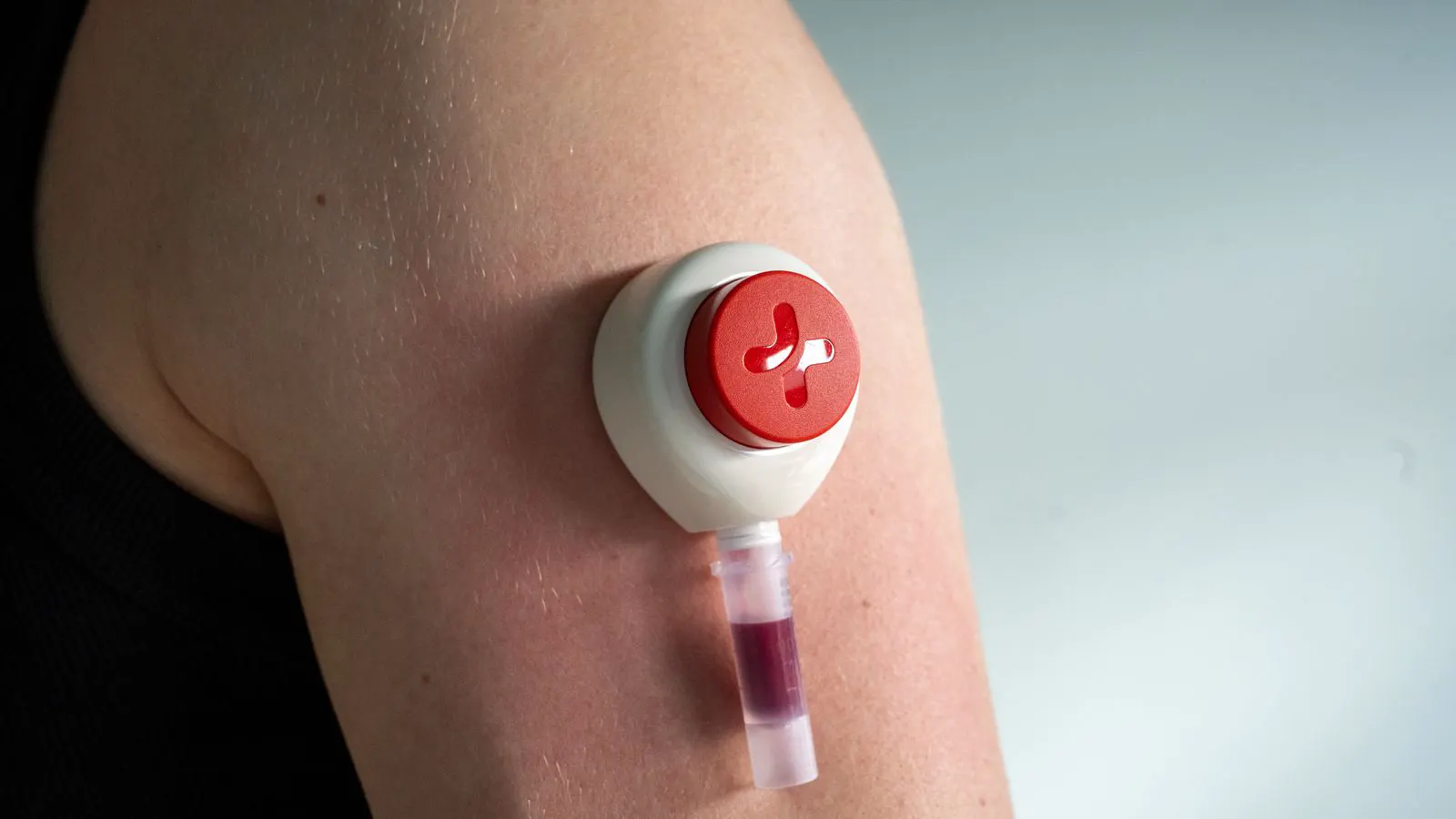
Procurement managers can plan for five shifts in point-of-care testing: integrated sample handling, digital connectivity, multi-analyte panels, standardized maintenance, and sustainable consumables. These changes will affect equipment budgets, service contracts, and lab workflow design.
- Point-of-care equipment is moving toward integrated sample preparation, reducing manual steps before analysis.
- Digital connectivity is shifting from optional to standard, changing how labs track usage and maintenance.
- Multi-analyte platforms will replace single-purpose instruments for routine testing.
- Standardized maintenance and consumable compatibility will become major procurement decision factors.
- Sustainability requirements will influence consumable selection and waste handling planning.
What Is Driving the Shift Toward Integrated Point-of-Care Systems
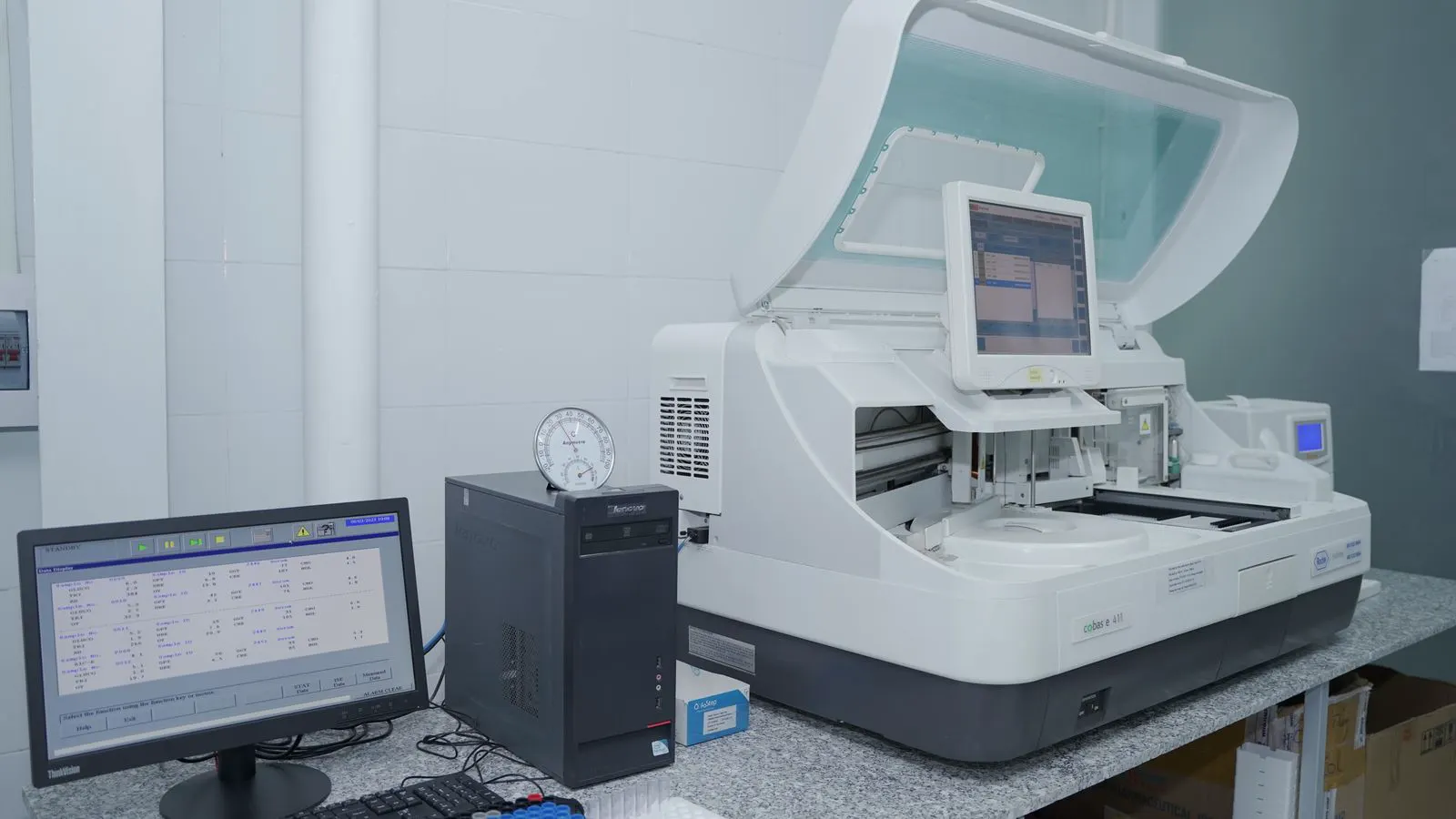
Procurement managers reviewing lab diagnostics trends should expect point-of-care testing equipment to evolve from isolated analyzers into integrated systems that handle more of the sample lifecycle. The trend is moving beyond simple device replacement. Teams are adopting platforms that combine sample collection, preparation, and analysis in a single workflow.
This integration changes how laboratories plan space and staffing. A compact benchtop system that runs a full blood test panel with minimal operator intervention requires different floor space than a row of single-purpose machines. It also changes training needs. Staff spend less time learning multiple instrument interfaces and more time understanding system workflows and troubleshooting.
For buyers, this shift means evaluating total workflow efficiency, not just analytical capability. A device that measures one analyte quickly may not be the best choice if it requires three separate manual steps before the reading is useful. Integrated systems reduce these friction points. They also tend to produce more consistent results because less manual handling introduces fewer variables into the process.
How Connectivity Is Changing Lab Equipment Management
Digital connectivity is moving from a premium feature to a baseline expectation in analytical future equipment. Lab diagnostics trends show that connectivity now supports more than just data transfer. Modern devices log usage data, track consumable levels, schedule preventive maintenance, and flag performance drift before it affects results.
This data creates new responsibilities for procurement teams. Equipment is no longer a one-time purchase. It becomes a connected asset that generates usage records over its service life. Buyers need to understand how the data works. Who owns the data? How is it secured? Can it be exported to the lab information system? What happens to the device if the cloud service is discontinued?
Connectivity also changes service models. Remote diagnostics can shorten downtime when a device reports an issue. A technician can review error logs before visiting the site. This reduces the cost of unplanned maintenance. However, it also means the equipment manufacturer has a longer relationship with the lab. Buyers should factor this into their vendor evaluation.
What Multi-Analyte Platforms Mean for Routine Lab Testing
The move toward multi-analyte platforms is reshaping how labs configure their testing capacity. Instead of buying separate machines for different analytes, laboratories are consolidating onto platforms that run multiple tests on a single sample. This trend is especially visible in point-of-care testing, where space and labor are constrained.
Multi-analyte platforms change the procurement conversation. The question is no longer which instrument performs a single test best. It is which platform covers the full test menu the lab actually runs. A lab that performs routine metabolic panels, complete blood counts, and coagulation tests may find that one integrated platform outperforms three separate instruments in total cost of ownership.
However, multi-analyte systems also introduce new risk. If one component of the platform fails, multiple test types can stop. Buyers need to understand the failure modes. What happens to the coagulation tests if the hematology module needs recalibration? How quickly can the lab continue essential testing if part of the system is offline? Understanding these dependencies is part of the analytical future planning process.
How Standardized Consumables Affect Long-Term Costs
Consumable compatibility is becoming a major factor in lab diagnostics trends. Laboratories are moving toward platforms where consumables are standardized across test types. This reduces inventory complexity and lowers the risk of using the wrong cartridge or reagent.
Standardized consumables also simplify training. A new technician does not need to learn a different cartridge loading process for every test type. The physical interaction with the instrument becomes more consistent. This reduces human error, which is a significant factor in point-of-care testing accuracy.
For procurement managers, this changes how they evaluate bids. The purchase price of the equipment is only one part of the cost. The consumable ecosystem matters just as much. A platform with a lower upfront price may have higher long-term costs if its consumables are proprietary and expensive. Buyers should request a multi-year consumable cost estimate alongside the equipment quote.
What Sustainability Requirements Are Adding to Procurement
Sustainability is no longer just a policy statement. It is entering the equipment evaluation process. Lab diagnostics trends show that procurement managers are asked to consider consumable waste, energy use, and the environmental footprint of reagents.
This does not mean every lab will adopt the same standard. Requirements vary by region and by institutional policy. However, the direction is clear. Labs are expected to document their environmental impact. This includes the number of single-use items per test, the type of waste generated, and the energy consumption per run.
Procurement managers should begin asking vendors about consumable waste profiles now. A platform that uses fewer single-use components per test may be more sustainable and potentially lower cost over time. Energy efficiency also matters. A device that runs fewer tests per day at high power may cost more to operate than a device with higher per-test power but lower idle consumption.
How to Prepare Your Lab for These Diagnostics Trends
Preparing for lab diagnostics trends requires more than watching market reports. It requires planning changes to workflows, space, and vendor relationships. Procurement managers should treat this as a multi-year project rather than a single purchase decision.
The following table summarizes the key shifts and the actions buyers should take:
| Trend Shift | Procurement Action | Planning Consideration |
|---|---|---|
| Integrated sample handling | Evaluate total workflow efficiency | Floor space, staffing model, training needs |
| Digital connectivity | Require data export and security specifications | Data ownership, service agreements, cloud dependency |
| Multi-analyte platforms | Request full test menu coverage | Failure modes, downtime impact, service response |
| Standardized consumables | Request multi-year consumable cost estimates | Inventory complexity, waste management |
| Sustainability requirements | Ask for environmental impact documentation | Waste volume, energy use, reagent footprint |
Practical Steps for the Next Equipment Cycle
- Audit your current test menu and identify which tests are run most frequently. This reveals where multi-analyte consolidation can save space and labor.
- Map the full workflow for each test, including sample collection, preparation, analysis, and reporting. Identify manual steps that integrated systems can eliminate.
- Request detailed data specifications from vendors. Understand how the device communicates with your lab information system and how data is secured.
- Calculate a five-year total cost of ownership for each option. Include consumables, maintenance contracts, training, and downtime risk.
- Review your sustainability policy and translate it into specific procurement questions. Ask vendors about waste profiles and energy consumption per test.
These steps create a realistic framework for evaluating emerging technologies. They also reduce the risk of buying equipment that looks impressive on paper but creates problems in daily use.
How This Affects Service and Support Planning
The service model for point-of-care equipment is changing as well. As devices become more integrated and connected, service agreements are becoming more complex. They may include remote monitoring, consumable tracking, and performance guarantees.
Procurement managers should clarify what is included in the service contract. Does it cover firmware updates? Does it include on-site visits for all failures, or only those that cannot be resolved remotely? What is the response time for critical test failures?
These details matter because downtime in a point-of-care setting can be immediate. A clinic that loses access to its rapid testing platform may need to send samples to a central lab, adding time and cost. The service agreement should reflect the operational reality of your setting, not just the technical capabilities of the device.
Final Thoughts on Planning for the Analytical Future
The analytical future of point-of-care testing is being shaped by integration, connectivity, and data. Lab diagnostics trends are moving away from standalone instruments and toward managed platforms. This shift requires procurement managers to think in systems, not just in individual machines.
The practical approach is to align equipment purchases with workflow goals. Evaluate how each platform affects your daily operations. Understand the long-term costs of consumables and service. Build sustainability requirements into your evaluation criteria from the start. These steps will help your lab adopt new technologies without disrupting the work that already depends on them.
Frequently asked questions
What is the biggest change in point-of-care testing equipment over the next few years?
The biggest change is the move toward integrated platforms that handle sample preparation and multiple analytes in one system. This reduces manual steps and consolidates testing onto fewer devices.
How does connectivity affect the cost of lab equipment?
Connectivity can reduce downtime through remote diagnostics and predictive maintenance. However, it may add costs for data management, software subscriptions, or service agreements that include digital features.
Are multi-analyte platforms always better than single-purpose instruments?
Not always. They work best when a lab runs a consistent set of routine tests on a shared sample type. If the test menu is highly specialized or variable, separate instruments may still be more practical.
What should procurement managers ask vendors about sustainability?
Ask about consumable waste per test, energy consumption during operation and idle time, and whether reagents or cartridges can be returned for recycling. Request documentation that matches your lab's reporting requirements.
How long should a lab plan its equipment strategy?
A five-year planning horizon is practical. It covers typical equipment lifespans, consumable cost fluctuations, and the time needed to train staff on new integrated workflows.