Average Cost and Lead Times for Clinical Chemistry Analyzers
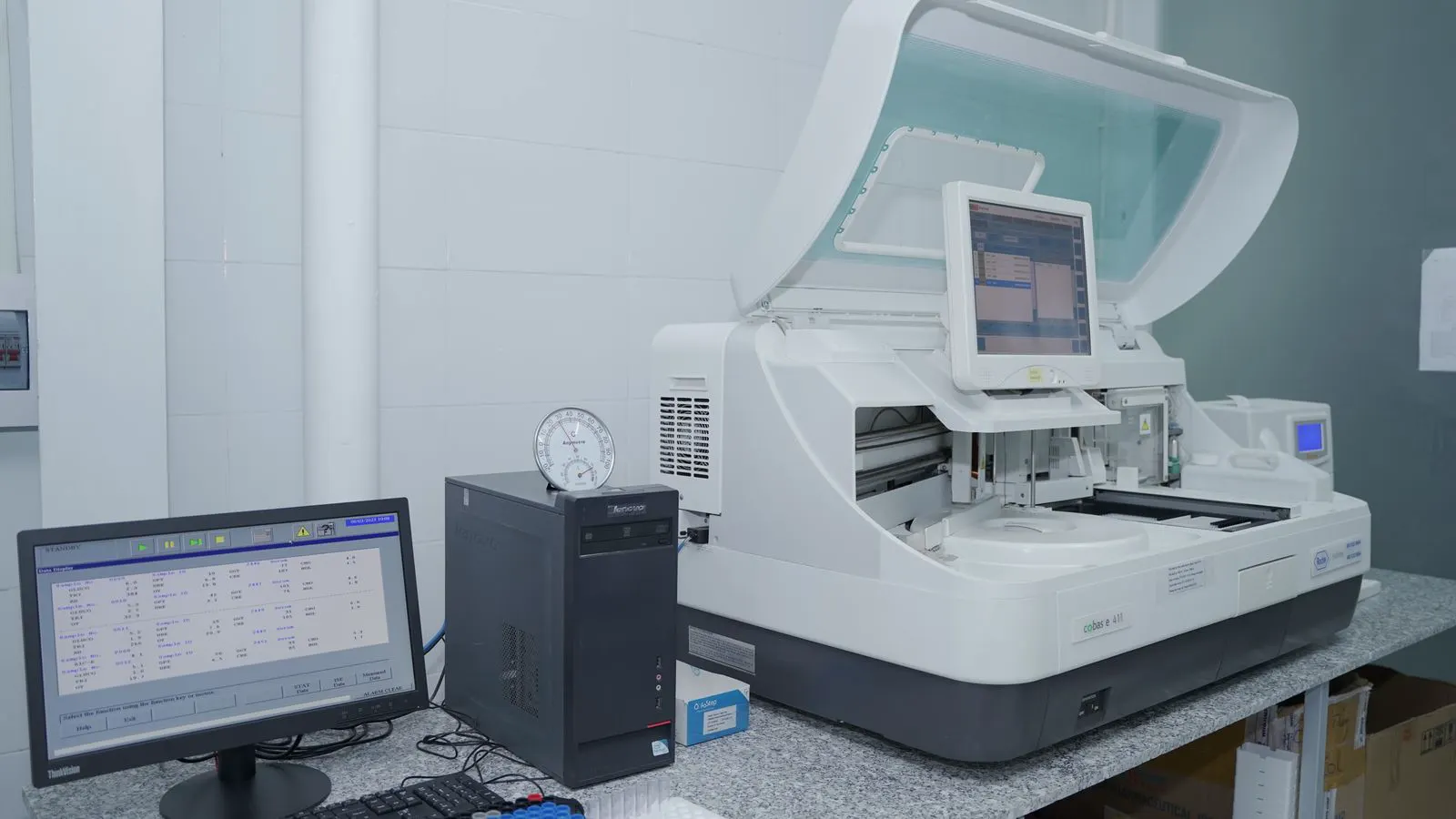
Clinical chemistry cost varies widely based on analyzer capacity, test throughput, and required sample types. Lead time depends on contract terms and site preparation. This guide explains how to structure an RFQ and compare vendor quotes for accurate budget planning.
- Analyzers differ in cost by test volume, sample types, and required maintenance.
- Lead time includes manufacturing, shipping, installation, and site preparation.
- A clear RFQ with specific test menus improves quote accuracy.
- Total cost of ownership includes reagents, service contracts, and disposal.
- Compare quotes on a per-test basis rather than only the purchase price.
What drives the cost of clinical chemistry analyzers
The purchase price of a clinical chemistry analyzer reflects more than the hardware. Vendors price equipment based on expected test volume, sample types, automation level, and service model. A small benchtop unit for low-volume testing costs less than a high-throughput analyzer that handles hundreds of samples per hour.
Throughput is the main driver. An analyzer that processes 30 tests per hour will cost less than one that processes 120 tests per hour. The price difference covers more complex fluidics, larger sample wells, and additional modules. Consider a rural clinic that runs 50 tests a day versus a central hospital lab that runs 1,500 tests a day. The clinic can often manage with a single benchtop device that processes one or two tubes at a time. The hospital needs a multi-module system with a sample carousel and a barcode reader to handle the volume without bottlenecks.
Sample types also affect price. A basic panel covering glucose, electrolytes, and creatinine costs less than a panel that includes lipid profiles, liver function tests, and coagulation. Each additional reagent channel adds hardware and software complexity. When you add a lipid profile, the machine needs a lipase enzyme and a specific cuvette size. Add coagulation, and the system must handle clotting time assays, which require precise timing and different reagent stability conditions. These physical differences require different pumps, valves, and heating blocks, which drives up the unit price.
Automation level changes the price structure. Manual loaders cost less upfront but require more staff time. Fully automated analyzers cost more but reduce labor costs and improve consistency. Procurement teams should calculate both purchase price and operational cost. A manual system might require a technician to load each tube by hand, check for hemolysis, and manually enter patient barcodes. This is slow and prone to human error. An automated system pulls tubes from a tray, reads the barcode, and loads them into the sample well. The upfront cost is higher, but the technician can manage multiple analyzers at once, and the risk of sample mix-ups drops significantly.
Maintenance contracts are part of the total cost. Some vendors offer hardware-only pricing with a separate service agreement. Others include a limited warranty and charge for extended support. The service contract should cover parts, software updates, and remote diagnostics. Look at the terms carefully. A basic contract might cover labor for the first year but charge extra for parts. A premium contract might cover everything for three years but require a fixed number of on-site visits per year. The cost of the service contract often adds a significant percentage to the annual operating budget.
How long does an analyzer lead time take
Lead time is the period between a signed contract and the first sample run. This period includes manufacturing, quality inspection, shipping, site preparation, installation, and training.
Manufacturing time varies by model. Standard models may have shorter lead times than custom configurations. Custom configurations can mean specific test menus, interface requirements, or language settings. These options often require additional engineering time. A standard model might ship from a finished good inventory within a few weeks. A custom model, configured for a specific LIS interface or a local language, might require a factory technician to build the software module and run a full verification suite before release. This can add several weeks to the schedule.
Shipping time depends on location and transport method. Equipment ships by freight or air. Air freight costs more but reduces delivery time. Sea freight is slower but cheaper. Customs clearance adds time for imports. For a lab in Europe buying from Asia, sea freight might take six to eight weeks, while air freight could take one to two weeks. Customs adds another layer. You need the correct documentation, including the commercial invoice, packing list, and certificate of origin. Delays at customs can stall the shipment even if the freight is on schedule.
Site preparation is a common cause of delays. The lab must have space, power, compressed air, water, and network connectivity. If the lab is not ready, the analyzer cannot be installed. Procurement should confirm site readiness before signing the contract. The space needs to be level and free from vibration. Power should be stable, and some high-throughput analyzers require a dedicated circuit. If the lab is in an old building, the electrical panel might need upgrading. If the network is not ready, the analyzer cannot connect to the LIS. These physical and digital prerequisites must be complete before the installation team arrives.
Installation and commissioning take time. Technicians calibrate the analyzer, run verification tests, and train staff. This phase can take one to three days depending on the model and test menu. The vendor team will unpack the unit, connect the power and network, and load the reagents. They will then run a verification protocol, which involves measuring a series of control samples to ensure the results are within the acceptable range. If the results are out of range, they troubleshoot and recalibrate. Training follows, where the technician walks the staff through the daily operations, including cleaning, maintenance, and troubleshooting.
How to write a clear RFQ for clinical chemistry analyzers
A clear RFQ gives vendors enough information to produce accurate quotes. Without specifics, vendors may quote a standard model that does not fit your needs. You will then face change orders and extra costs.
Start with your test menu. List every test you need, with the expected sample type and volume. Include hematology, coagulation, and immunochemistry if you need them. Specify the number of samples per hour you need to process. For example, if you run 200 chemistry tests and 100 hematology tests per day, state that clearly. This helps the vendor recommend a single integrated system or a separate analyzer for each discipline. If you need a specific test, like a lipid profile, mention it. The vendor needs to know if the machine must run that test natively or if it relies on a separate module.
State your sample types. Whole blood, plasma, serum, and urine each require different handling. Some analyzers handle whole blood directly. Others require plasma. Your sample workflow must match the analyzer capabilities. If you collect samples in tubes with anticoagulant, the analyzer must be able to handle the whole blood or the resulting plasma. If you use plasma, the analyzer must accept plasma tubes. This distinction matters because the fluidic system and the reagent chemistry differ. If you run urinalysis, the analyzer might need a dedicated urine port or a different sample handling mechanism.
Describe your site conditions. Include space dimensions, power requirements, and network access. If you need a dedicated server or local network, say so. If you use a laboratory information system, specify the interface requirement. Mention the LIS name and version if possible. The analyzer must be able to send results to the LIS and receive patient information. If the LIS is old or custom, the vendor might need to develop a specific interface, which adds cost and time. State the network protocol, such as HL7 or DICOM, if applicable.
Set your service expectations. Define what support you need. Do you want a service contract for five years? Do you need next-day parts delivery? Do you want remote diagnostics? These details change the quote. Remote diagnostics allow the vendor to connect to the analyzer remotely to troubleshoot issues. This can save time and cost, but it requires a stable network connection. Next-day parts delivery ensures that if a critical part fails, the lab is not down for long. Specify the service hours you expect, such as 8 a.m. to 8 p.m. local time.
Include your budget range. Some vendors only quote above a certain price point. Stating your range helps them suggest models that fit. If you do not state a range, the vendor might quote their most expensive model, which is not what you want. A budget range also helps you understand where you stand in the market. It signals to the vendor that you are serious and ready to buy.
How to compare quotes fairly
Vendors quote different inclusions. One quote may include installation, training, and a one-year warranty. Another may be hardware only. You must compare like with like.
Create a comparison table. List the purchase price, installation cost, training cost, warranty period, and service contract cost. Add the cost of the first year of reagents. Some vendors discount reagents if you sign a multi-year service contract. Make sure the table is standardized. If one quote includes installation and another does not, add the estimated installation cost to the second quote. If one quote includes a two-year warranty and another includes a one-year warranty, calculate the cost of the extra warranty year. This makes the comparison fair.
Calculate the cost per test. Divide the total first-year cost by the number of tests you plan to run. This gives you a direct comparison between models with different throughput. For example, if Model A costs $100,000 for the first year and processes 100,000 tests, the cost per test is $1.00. If Model B costs $150,000 for the first year and processes 150,000 tests, the cost per test is $1.00. If Model C costs $120,000 and processes 120,000 tests, the cost per test is $1.00. This metric helps you see if the higher upfront cost of a more efficient model is justified by lower operating costs.
Check the contract terms. Look at the cancellation policy and the price for service contract renewals. Some vendors lock in service prices for a set period. Others allow annual renegotiation. A locked-in price might be higher in the first year but predictable. An annual renegotiation might be lower in the first year but could increase significantly in the second year. Understand the terms before signing.
Review the delivery terms. Confirm who bears the risk of loss during shipping. Confirm the installation date. Confirm the penalty for late delivery. If the vendor is late, what happens? Do you get a discount? Do you get a refund? These terms protect you if the delivery does not go as planned.
What drives lead time beyond manufacturing
Lead time is not just manufacturing. Site readiness is a major factor. The lab must have the space, power, and network ready before the analyzer arrives. If the lab is not ready, the installation date moves.
Custom configurations increase lead time. A standard model ships from inventory. A custom model may require additional engineering and testing. This adds weeks to the schedule. If you need a specific test menu that is not standard, the vendor must configure the software and reagents. This requires testing to ensure the new configuration works correctly.
Regulatory approval can affect delivery. Some analyzers require registration or certification in specific regions. This process takes time and may delay the first run. In some regions, the analyzer must be registered with a local health authority before it can be used. This registration process can take several weeks. It is a prerequisite for the first sample run.
Staff availability matters. Training requires staff to be available for several days. If key staff are on leave, training may be rescheduled. This delays the first run. The training is not just a formality. It is a hands-on session where the staff learn how to operate the machine. If the key staff are not present, the training is not complete, and the lab cannot run the analyzer independently.
How to build a realistic lab equipment budget
Your budget should include more than the purchase price. Include installation, training, reagents, service, and disposal. A common mistake is budgeting only for the analyzer and forgetting the ongoing costs.
Reagents are a major ongoing cost. The price per test varies by vendor and contract. Some vendors sell reagents directly. Others require you to buy through a distributor. Compare the cost per test, not just the reagent price. Reagents have a shelf life. You must buy enough to keep the analyzer running but not so much that they expire. This requires careful planning.
Service contracts protect the analyzer. Without a contract, repair costs can be high. A contract typically covers parts, labor, and remote diagnostics. The cost of a contract is usually a percentage of the analyzer price. A contract reduces the risk of unexpected repair costs. It also ensures that the analyzer is maintained regularly, which extends its life.
Disposal costs are often overlooked. When the analyzer reaches the end of its life, you must dispose of it properly. Some vendors offer take-back programs. Others require you to arrange disposal. Disposal involves removing the reagents, cleaning the machine, and shipping it to a recycling facility. This cost should be included in the budget, even if the disposal is years away.
How to reduce risk in your purchase
Reduce risk by building in buffer time. Do not schedule the analyzer around a fixed date. Allow extra time for site preparation and installation. If the site is not ready, the installation date moves. Buffer time protects you from delays.
Use a phased approach. Start with a smaller model or a pilot unit. This lets you test the workflow before committing to a full system. A pilot unit allows you to test the sample workflow, the LIS interface, and the reagent handling. If there are issues, you can fix them before buying the full system.
Negotiate the service contract separately from the hardware. This gives you use to find a better service provider if needed. If the service contract is bundled with the hardware, the vendor has less incentive to provide good service. If you can negotiate the service contract separately, you can choose a provider that offers better terms or better support.
Keep records of all quotes and contracts. This helps you compare future purchases and understand the long-term cost. When you buy a new analyzer, you can compare it with the old one. You can see if the cost per test has gone up or down. You can also see if the service contract terms have changed. This history helps you make better decisions in the future.
Frequently asked questions
What is the main factor that changes the cost of a clinical chemistry analyzer?
Throughput and test menu are the main factors. Higher throughput and more tests increase the hardware and software cost.
How long does a typical analyzer lead time take?
Lead time varies by model and site readiness. Standard models have shorter lead times than custom configurations.
Should I buy the analyzer and service contract together?
It depends on your risk tolerance. A bundle can simplify procurement but may lock you into a specific vendor for service.
How do I compare quotes from different vendors?
Use a comparison table that includes installation, training, reagents, and service costs. Calculate the cost per test for a fair comparison.
What site conditions are needed for an analyzer?
You need space, power, compressed air, water, and network access. Confirm these before signing the contract.