Autoclave vs Dry Heat Sterilization
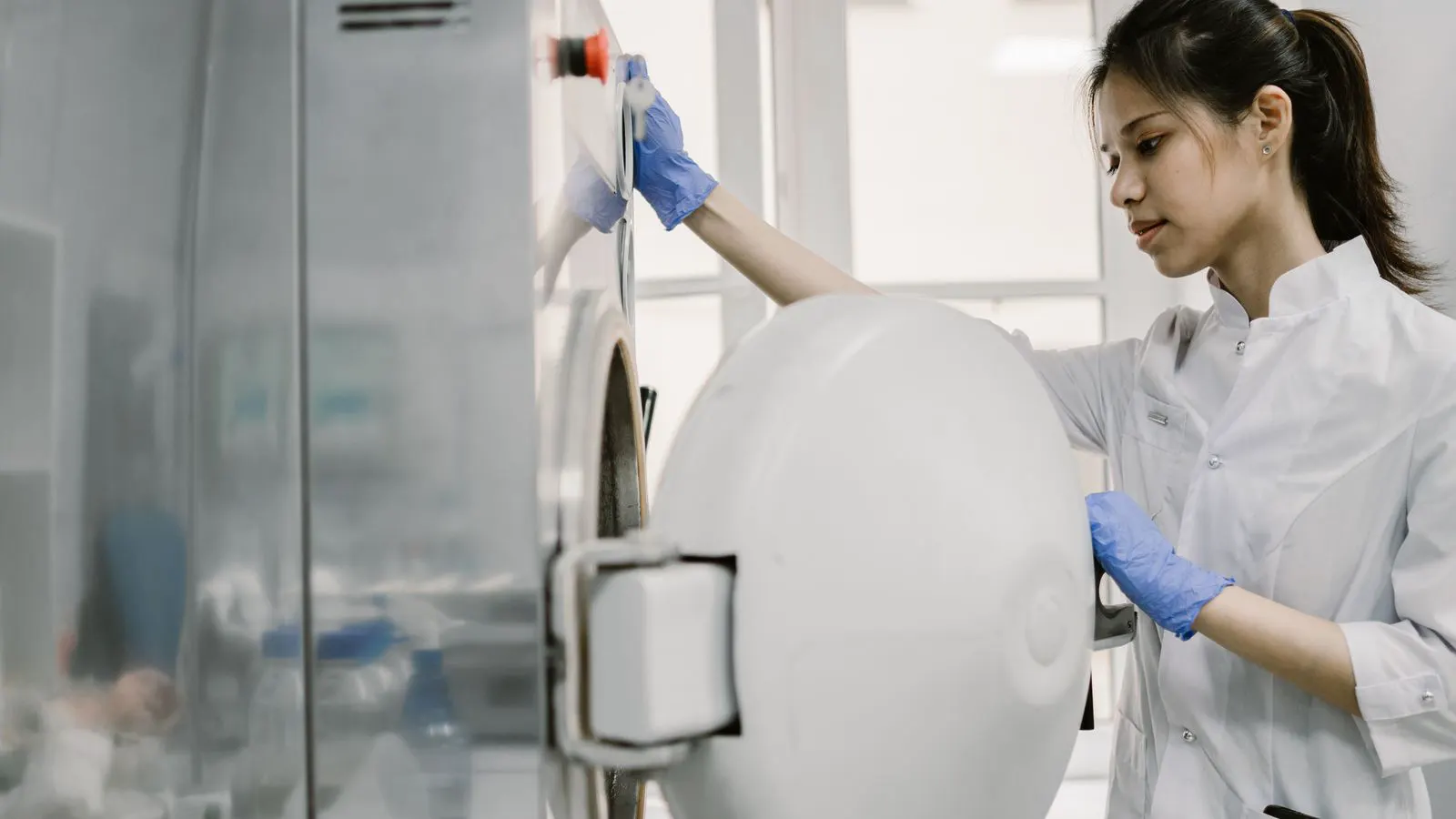
Engineers compare autoclave and dry heat sterilization to match equipment to material type and cycle speed. Wet steam works faster on most items but fails on heat sensitive parts. Dry heat is slower but safer for plastics and oils.
- Wet steam autoclaves finish cycles faster than dry heat ovens for most load types.
- Dry heat is the standard choice for items that cannot tolerate moisture or high steam pressure.
- Material compatibility is the primary driver, not speed, when choosing between the two methods.
- Cycle validation depends on the load size, material, and the target sterility level.
- Maintenance schedules differ significantly based on the mechanism used for heat transfer.
Which method fits your material load
The first question in any sterilization comparison is not speed. It is material. Engineers select between wet steam and dry heat based on what the load can withstand. Steam penetrates dense packages and porous materials. It also cools rapidly when the cycle ends. Dry heat transfers energy through convection and radiation. It does not penetrate as aggressively. It also holds the item at temperature longer before the cooling phase begins.
If the load contains glassware, metal instruments, or paper-wrapped items, a wet steam autoclave is usually the default. The combination of high pressure and moisture drives the process. If the load contains silicones, certain polymers, or flammable liquids, dry heat becomes the only viable option. Steam can cause swelling in some plastics. It can also accelerate hydrolysis in certain materials.
Many labs run both systems. They use the autoclave for daily wet work and the dry oven for specialized loads. The choice depends on the daily workflow. A facility that processes biological samples will lean heavily on steam. A facility handling chemical reagents or polymer components will favor dry heat. The equipment must match the load, not the other way around.
How cycle times differ in practice
Cycle time is the most common metric used in a sterilization comparison. Wet steam cycles are shorter. A standard load in an autoclave often completes in a fraction of the time required for a dry heat cycle. The steam condenses on the item, transferring heat quickly. The cycle includes a preheat, a sterilization hold, and a cooling phase.
Dry heat cycles are longer. The heat must penetrate the item from the outside. The temperature must remain above the target threshold for a specific duration. The cooling phase is also slower. Items inside a dry oven take longer to drop below the critical temperature. This means the total door-to-door time is significantly higher.
Engineers must account for this difference in scheduling. If a lab needs a batch ready in two hours, a dry heat cycle may not be feasible for the same load size. The load must be smaller, or the cycle must be shortened, which risks incomplete sterilization. The table below summarizes the typical trade-offs.
| Option | Best for | Limitations |
|---|---|---|
| Wet Steam Autoclave | Glassware, metal, paper, liquids | Damages moisture sensitive or heat softening materials |
| Dry Heat Oven | Plastics, oils, flammables, powders | Slower cycles, longer cooling, lower penetration |
| Plasma Sterilization | Small items, electronics | Limited size, requires specific materials |
| Gamma Irradiation | Packaged consumables | Requires external facility, not on site |
| Hydrogen Peroxide Gas | Medical devices | Slow, requires chamber, not for liquids |
Plasma and gas methods are less common in general lab settings but appear in high-tech manufacturing. Gamma is used for packaged goods. The engineer must look at the full spectrum. The two main options remain steam and dry heat.
Material compatibility and chemical limits
Not every item survives steam. Some polymers soften at high temperatures. Others absorb moisture and change dimensions. This is the core issue in a sterilization comparison. Engineers must check the material data sheet for the maximum continuous service temperature and the moisture resistance.
Dry heat avoids the water element. This makes it suitable for items that degrade in the presence of steam. Oils and waxes are a common example. They do not absorb moisture, but they may crack or degrade if exposed to high humidity. Dry heat keeps the environment dry. This protects the chemical integrity of the load.
Glassware is generally safe in both methods, but the cooling rate matters. Thermal shock can crack glass if it cools too fast. Steam autoclaves cool quickly. Dry ovens cool slowly. For thick glass items, the slow cooling of a dry oven can actually be gentler on the material. For thin tubes, the rapid cooling of steam is usually not an issue.
Flammables are another strict constraint. Many flammable solvents have flash points that are too low for wet steam environments. The pressure and heat can create a vapor risk. Dry heat is often chosen because the environment is inert. However, even dry heat has limits. The temperature must not exceed the flash point of the solvent. The engineer must know the exact thermal profile of the load.
Equipment selection and layout considerations
The physical footprint of the equipment matters. Autoclaves are often larger and heavier. They require water and steam supply lines. They also need a drain for the condensate. The installation checklist includes water hardness, steam pressure, and electrical load. A dry heat oven is typically self-contained. It runs on electricity. It does not need a water line.
Location affects maintenance. Autoclaves are wet equipment. The seals and gaskets degrade faster due to constant moisture exposure. The chamber interior is subject to corrosion if not cleaned regularly. Dry ovens have a drier interior. The seals are less stressed. However, the heating elements in dry ovens are exposed to high temperatures for long periods. They have a finite life.
The door mechanism is a common point of failure. Autoclave doors use a locking system to maintain pressure. Dry oven doors use a simple latch. The autoclave door is more complex. It requires a pressure rating. It must seal against a vacuum or positive pressure. The gasket must be replaced periodically. The engineer must plan for this maintenance cycle.
Power consumption is another factor. Dry ovens run for longer periods. This increases the energy cost. Autoclaves run shorter cycles. However, the steam generation process itself consumes energy. The total energy use depends on the duty cycle and the efficiency of the equipment. A lab with a high volume of wet loads will see higher energy use from the autoclave. A lab with intermittent dry loads will see a different profile.
Validation and documentation requirements
Sterilization is a regulated process. Engineers must document the parameters. The temperature, pressure, time, and load composition must be recorded. For autoclaves, the pressure setting determines the temperature. The engineer must verify that the pressure gauge is accurate. For dry ovens, the temperature sensor location is critical. The sensor must be placed where it reads the item temperature, not the air temperature.
Load mapping is required. The engineer must place thermocouples or data loggers in the densest part of the load. This ensures that the center of the load reaches the target temperature. If the center does not reach the target, the cycle is invalid. This is a common failure mode in dry heat. The heat penetrates slowly. A large load may not reach the center temperature during the hold time.
The validation protocol must be repeated periodically. The equipment drifts. The seals wear. The heating elements degrade. The engineer must follow the manufacturer’s maintenance schedule. They must also follow their internal quality protocol. The documentation is the legal record of the sterilization event.
Maintenance and inspection routines
Autoclaves require regular inspection of the safety valves. The pressure relief valve must function correctly. If it fails, the chamber can rupture. The steam trap must also be checked. A stuck trap can cause waterlogging in the chamber. This reduces the efficiency of the steam flow. The gasket must be inspected for cracks or hardening. A worn gasket allows steam to leak. This extends the cycle time and reduces the sterilization efficacy.
Dry ovens require inspection of the heating elements. The elements glow during operation. They should be uniform. If one element is dimmer than the others, it is failing. The thermostat must be calibrated. A drift in the thermostat can cause the oven to run too hot or too cold. Too hot can damage the load. Too cold can fail sterilization. The door seal must be checked for gaps. If air leaks in, the temperature inside the load will be lower than the set point.
Both systems require cleaning. Autoclave chambers are cleaned to remove biological residues. Dry oven chambers are cleaned to remove chemical residues. The cleaning agent must be compatible with the materials inside. The engineer must not use aggressive solvents that can damage the chamber or the seals. The cleaning schedule is part of the maintenance plan.
Final selection criteria
The decision comes down to three factors. Material compatibility, cycle time, and load size. If the material cannot take water, choose dry heat. If the cycle must be fast, choose autoclave. If the load is large and dense, the cycle time will be longer in both methods. The engineer must test the load. They must run a trial cycle and measure the temperature at the center. They must adjust the time if necessary.
There is no single best method. The best method is the one that matches the specific load and the specific facility constraints. A lab that handles both wet and dry loads will likely need both systems. The engineer must plan for the space, the utilities, and the maintenance. The sterilization comparison ends with the trial run. The data from the trial run confirms the selection.
The engineer should keep a log of the cycles. They should note any deviations. They should review the log periodically. The equipment is a tool. The process is the result. The tool must be maintained. The process must be validated. The result is sterility. The engineer controls the tool and the process. The result is the responsibility of the lab.
Frequently asked questions
Can you sterilize a plastic beaker in an autoclave?
It depends on the plastic. Some heat resistant polymers survive steam. Others melt or warp. Check the material rating before placing it in the chamber.
Why is dry heat slower than steam?
Heat penetrates the item from the outside. Steam condenses and transfers heat faster. Dry heat relies on convection, which is a slower process.
Do I need a separate system for each type of load?
Often yes. If you have both wet and dry loads, you need both machines. You cannot use a steam cycle for a dry heat item.
How do I know if the cycle was successful?
Use a data logger or thermocouple in the densest part of the load. The temperature must stay above the target for the required time.
Can I use a dry oven for glassware?
Yes. The slow cooling of a dry oven can be gentler on thick glass than the rapid cooling of an autoclave. It is a valid method.