Troubleshooting: When a Lab Supplier Is Unresponsive
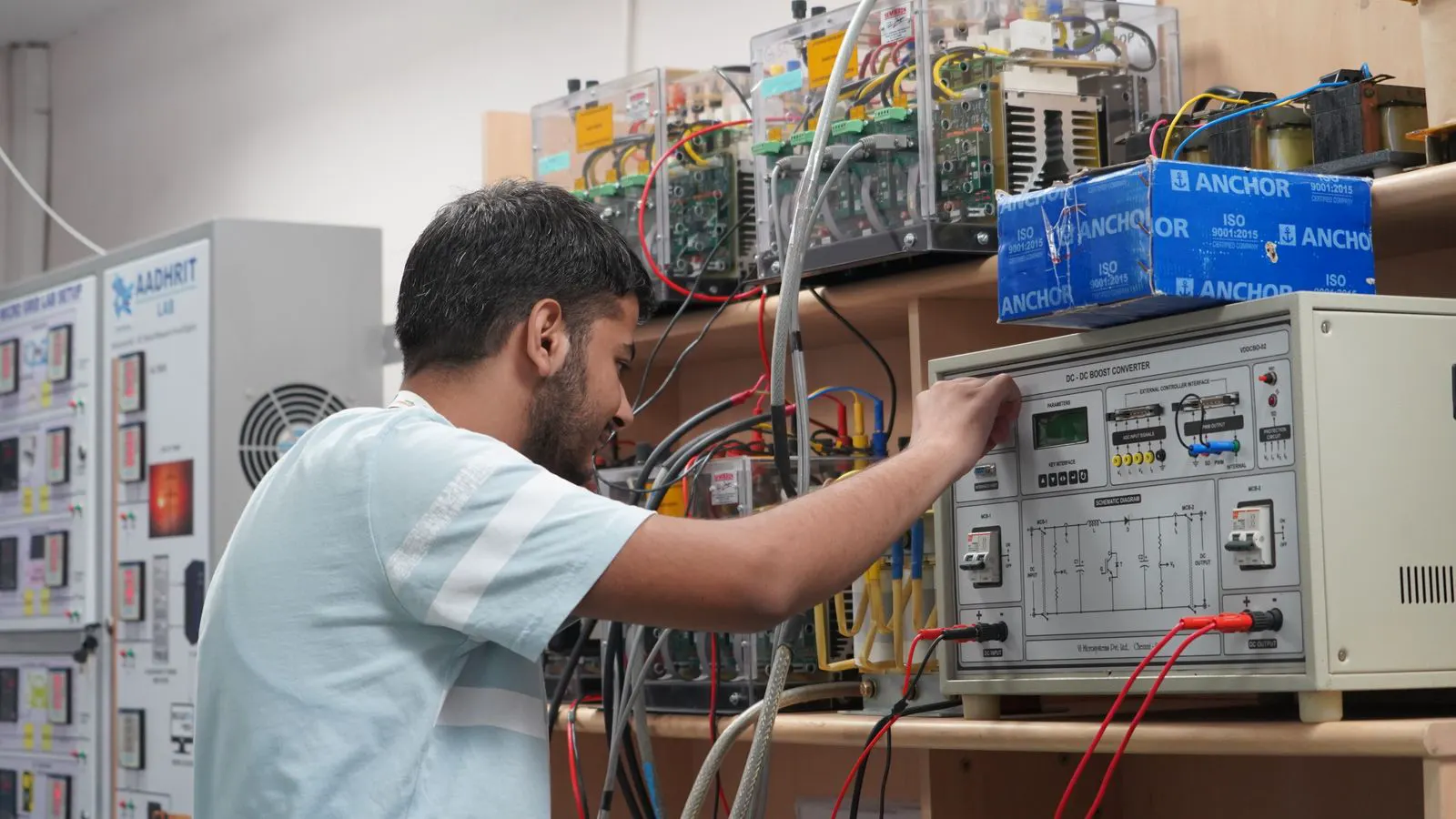
An unresponsive supplier disrupts lab operations. This guide lists common symptoms, likely causes, and practical fixes. It provides a support escalation path and prevention tips to keep equipment service and communication running.
- Document every attempt to contact the supplier using a standard log to build a clear escalation trail.
- Use multiple channels and specific reference details to reduce the chance of a message being missed.
- Escalate to account management or regional leadership when front-line support fails to respond.
- Review service contracts and compliance terms to understand your rights and expected response windows.
- Build a backup support plan to reduce downtime when a primary vendor is unavailable.
What is an unresponsive supplier, and how do you identify the problem
An unresponsive supplier is a vendor who fails to acknowledge, answer, or act on a service request within a reasonable time. This is a common lab vendor issue in high-stakes environments where instrument uptime matters. The problem is not always a lack of effort. Sometimes a ticket is logged but never triaged. Other times a request is answered, but the answer does not solve the root cause.
The first step is to define what unresponsive means for your specific operation. A delay of one business day may be acceptable for a non-critical calibration. The same delay is unacceptable for a broken analyzer running a clinical workflow. Set your internal thresholds based on the equipment class and the impact on your lab.
Keep a simple communication log. Record the date, time, channel used, the person contacted, and the exact request. This record becomes your evidence base when you escalate. It also helps you spot patterns, such as repeated failed calls to the same queue.
Common symptoms of a communication breakdown
| Symptom | Likely cause | What to do |
|---|---|---|
| No reply to email after 48 hours | Ticket not logged or misrouted to wrong team | Confirm receipt by calling the support line and referencing the email subject line |
| Generic automated replies only | High ticket volume or staffing gap | Request a direct contact for your account and ask for a named support engineer |
| Long wait times on the phone | Queue management failure or poor routing | Ask for a callback option and note the queue position if provided |
| Inconsistent information between staff | Knowledge base gaps or turnover | Request a written summary of the issue and the proposed solution from a senior technician |
| Service date changes without notice | Scheduling conflict or parts shortage | Ask for a new date in writing and request a parts status update |
| No update after a promised response | Internal handoff failure | Escalate to the account manager with a copy of your communication log |
How to structure your first escalation attempt
Start with a specific, factual message. Avoid emotional language. Focus on the equipment, the error, and the business impact. A strong escalation message includes the instrument serial number, the error code, the date the issue started, and the steps you have already taken.
Use a clear subject line. For example: “Escalation: [Instrument Model] Error Code [Code] - [Lab Name] - Requesting Response by [Date/Time]”. This format makes it easier for the vendor to route the message to the correct technical team.
Send the message through the primary channel. If your contract specifies email, use email. If it specifies a portal, use the portal. Keep a copy of the sent message. If you have no response within your defined window, move to the next channel, such as a direct phone call to the account manager.
When to escalate beyond the front-line team
Front-line support is trained for routine queries. They may not have the authority to override a scheduling conflict or approve an emergency service visit. If you have tried the standard channels and received no substantive response, escalate to the next level of authority.
This is where support escalation becomes a formal process. Contact the account manager or the regional sales representative. Provide your communication log. Ask for a specific action and a specific deadline. For example: “Please confirm receipt of this escalation by 2:00 PM today and provide a service date by end of business tomorrow.”
If the account manager cannot help, move up the chain. Ask for the regional service director or the customer success lead. In most organizations, these individuals have the authority to prioritize urgent requests. Keep your tone professional and factual. The goal is to get the issue resolved, not to assign blame.
How to handle service delays and parts shortages
A missing part is a common reason for unresponsive service. The vendor may be waiting on a manufacturer for a specific sensor or control board. In these cases, the supplier is not unresponsive; they are waiting on a third party.
Ask for a written parts status update. This should include the part number, the expected arrival date, and the reason for the delay. If the delay is longer than your internal threshold, ask about interim solutions. This could be a loaner unit, a remote diagnostic session, or a temporary workaround procedure.
Document the delay in your maintenance records. If a service contract covers extended downtime, note the date and duration. This information is often required when claiming service credits or negotiating future contract terms. A clear record of the delay strengthens your position in future discussions.
Prevention tips for future supplier issues
Prevention is easier than rescue. Build a system that reduces the risk of a communication breakdown before it happens.
- Maintain a single point of contact. Designate one person in your lab to manage all vendor communications. This prevents requests from being sent to multiple people and getting lost.
- Store all supplier contact details in a shared, up-to-date directory. Include phone numbers, email addresses, and portal logins.
- Review your service contract annually. Check response time guarantees, escalation paths, and penalty clauses.
- Keep spare critical parts on hand. For high-use instruments, storing a few common wear items can reduce downtime.
- Schedule quarterly check-ins with the supplier. Use these meetings to review performance, discuss upcoming maintenance, and flag potential issues early.
A strong relationship with a supplier is built on consistent, clear communication. When you are proactive, you are less likely to face a breakdown that requires a formal escalation.
How to verify if a supplier is meeting their commitments
You can only hold a supplier accountable if you know what they promised. Before you escalate, review the terms of your agreement. Look for specific language around response times, service windows, and escalation procedures.
If the contract is vague, use industry standards as a reference. A typical expectation for critical equipment is a response within one business day and a service visit within two to five business days, depending on location. If your supplier consistently misses these benchmarks, it is a sign of a systemic issue.
Ask for a performance report. Many suppliers provide a quarterly summary of tickets, response times, and resolution rates. Review this data with your team. If the numbers do not match your experience, bring the discrepancy to your account manager. A clear, data-backed conversation is more effective than a vague complaint.
What to do if the problem persists
If you have exhausted all standard escalation paths and the supplier remains unresponsive, consider your options. You may need to bring in a third party. This could be a certified service partner, a manufacturer representative, or an independent technician.
Before you switch, give the supplier one final notice. Send a formal letter or email stating that you have attempted to resolve the issue and that you are considering alternative providers. This creates a paper trail and often prompts a final effort from the vendor.
If you decide to switch, start the transition early. Ensure you have the necessary documentation, serial numbers, and warranty information ready. A smooth transition requires planning. Do not wait until the equipment fails completely to begin the search.
A supplier is a partner in your lab’s success. When that partnership breaks down, a structured approach to troubleshooting and escalation helps you regain control and keep your operations running.
Frequently asked questions
How long should I wait before escalating an unresponsive supplier issue?
Wait one to two business days for a standard service request, or immediately for a critical failure that stops production. The exact time depends on your internal operational needs.
What information should I include in an escalation email?
Include the instrument model, serial number, error code, date of first failure, and a summary of previous contact attempts. Keep it factual and concise.
Can I use a third-party technician if my supplier is unresponsive?
Yes, but check your warranty and service contract first. Some agreements require work to be done by an authorized service partner to remain valid.
How do I prove that a supplier was unresponsive?
Keep a dated log of all emails, phone calls, and ticket numbers. Save copies of sent messages and note the date and time of any phone conversations.
Is it worth renegotiating a contract if a supplier is consistently late?
Yes, if the delays impact your lab operations. Use your communication log and performance data to negotiate stricter response time guarantees or service credits.